India and Liberia defend free speech—but legal battles test its limits
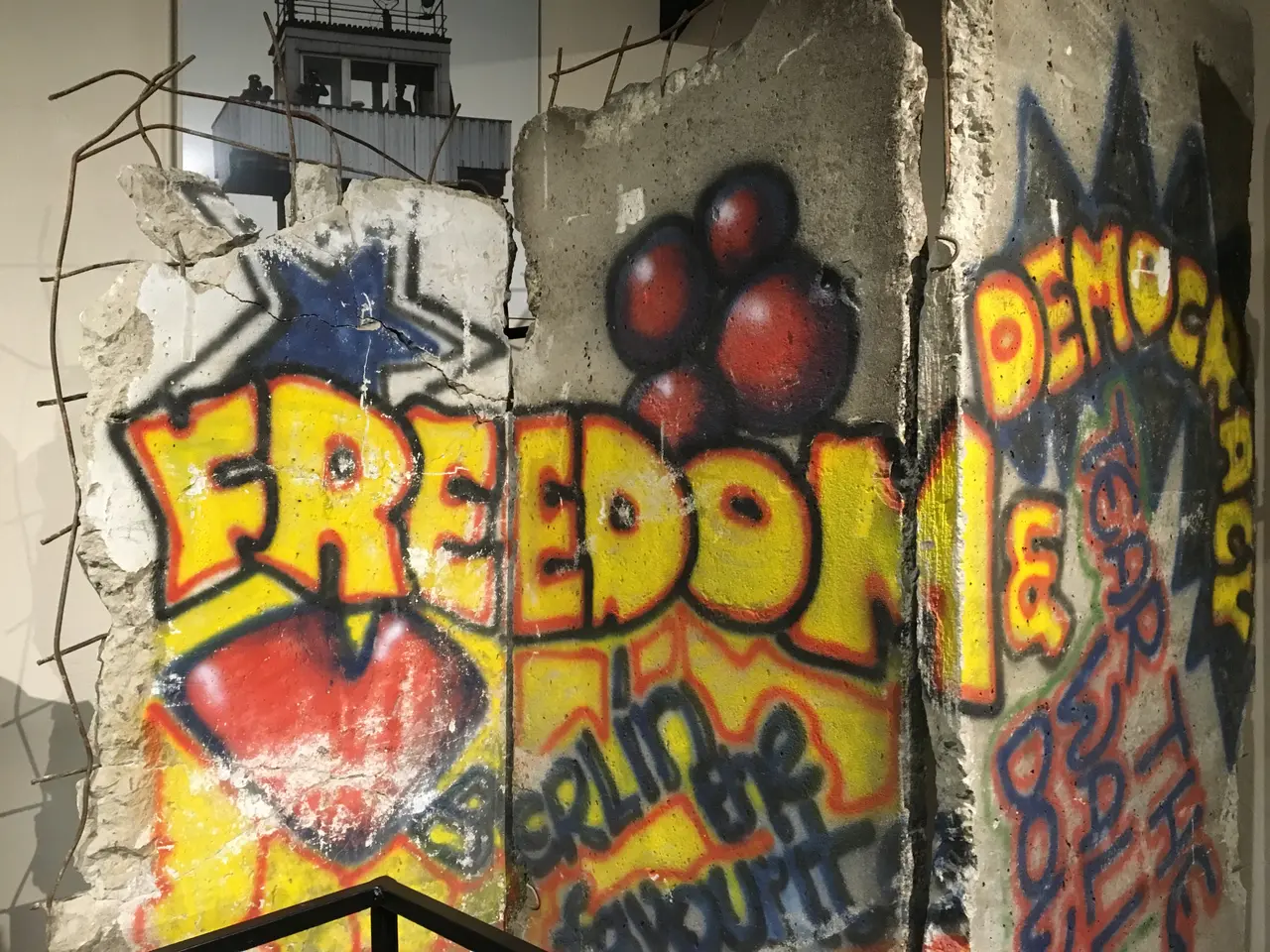
Free people in India and Liberia cherish free speech as a fundamental right, with both nations enshrining it in their constitutions. However, legal debates persist regarding its limits and protections. In India, the Constitution guarantees free speech under Article 19(1)(a), but allows restrictions for national security, public order, morality, defamation, and incitement. The Indian Supreme Court has struck down vague laws to prevent a chilling effect on expression. In Liberia, the 1986 Constitution protects free speech under Article 15, with narrow exceptions for defamation or privacy violations. The Supreme Court reinforced this in 2015, ruling that the government cannot easily suppress expression. Both countries recognize free speech as vital for accountability, fair elections, and an open society, but threats like hate speech, disinformation, and government overreach continue to test its boundaries. Without clear legal safeguards, vague laws and arbitrary powers risk silencing dissent and eroding public trust. The legal frameworks in India and Liberia uphold free speech while permitting narrow restrictions, with courts acting to prevent overbroad censorship. However, challenges remain, and the balance between protecting expression and curbing harm will likely stay a point of debate in years ahead.
Read also:
- India's Agriculture Minister Reviews Sector Progress Amid Heavy Rains, Crop Areas Up
- Sleep Maxxing Trends and Tips: New Zealanders Seek Better Rest
- Over 1.7M in Baden-Württemberg at Poverty Risk, Emmendingen's Housing Crisis Urgent
- Cyprus, Kuwait Strengthen Strategic Partnership with Upcoming Ministerial Meeting