India-Kazakhstan Relations: A Strategic Partnership Rooted in Energy, Defense, and Regional Cooperation
India and Kazakhstan deepen strategic ties through trade and energy cooperation
Since establishing diplomatic ties in 1992, relations between India and Kazakhstan have evolved into a robust, multifaceted partnership spanning energy, defense, trade, transport connectivity, and multilateral collaboration. Elevated to a strategic partnership in 2009, the relationship marked a shift toward deeper political engagement and long-term cooperation. Today, both nations view each other as key partners within their broader regional strategies, particularly in Central Asia and Eurasian integration.
A cornerstone of bilateral relations is energy cooperation, with a strong focus on nuclear power. As the world's largest uranium producer, Kazakhstan plays a critical role in fueling India's civilian nuclear program. Under long-term agreements between Kazatomprom and the Nuclear Power Corporation of India Limited (NPCIL), Kazakhstan supplies roughly 80% of India's uranium needs—a commitment reaffirmed in 2015 and extended through 2024. These deals underscore Kazakhstan's strategic importance in ensuring India's energy security.
Defense ties further strengthen the partnership. The two countries regularly conduct joint military exercises under the "KAZIND" framework, enhancing interoperability and mutual understanding between their armed forces. Additionally, Kazakhstan collaborates with India in UN peacekeeping training and drills, reflecting their shared commitment to global security and stability.
Economically, Kazakhstan is India's largest trade and investment partner in Central Asia. In 2024, bilateral trade reached approximately $1 billion, with India's exports totaling around $580 million and imports from Kazakhstan at roughly $449 million. While this figure remains modest by global standards, it reflects steady growth and significant untapped potential.
Institutional frameworks, such as the India-Kazakhstan Intergovernmental Commission (IGC)—established in 1993—provide a structured platform for expanding cooperation in trade, technology, energy, transport, and culture. The commission's work is supported by joint working groups covering counterterrorism, information technology, hydrocarbons, and logistics. In recent years, new groups have been formed to focus on pharmaceuticals, healthcare, and strategic infrastructure projects, including the development of the Chabahar Port.
Tourism and people-to-people exchanges are also gaining momentum. Kazakhstan's introduction of a visa-free regime for short-term visits by Indian citizens has significantly boosted tourist arrivals, with over 90,000 Indian travelers visiting the country in 2024. Destinations like Almaty are growing in popularity, driven by targeted marketing campaigns and improved transport links. Additionally, Kazakhstan is emerging as an attractive destination for Indian students, particularly in medical education, with thousands enrolled in the country's universities.
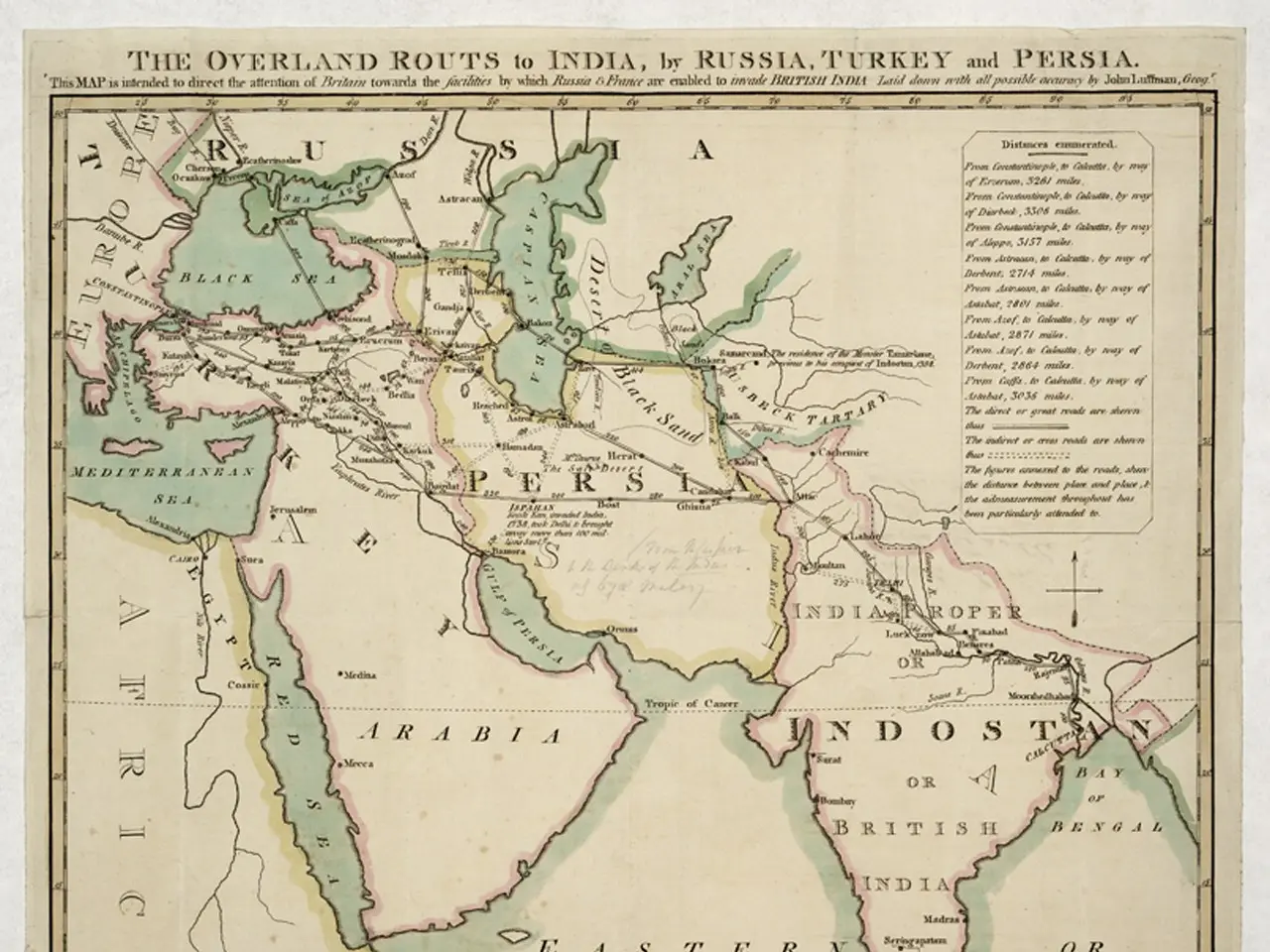
A key priority in the current phase of bilateral relations is enhancing transport connectivity. Both nations recognize that upgrading transport and logistics networks is essential for unlocking economic potential and strengthening regional integration. The International North-South Transport Corridor (INSTC) stands as the flagship project in this effort, aiming to link India with Central Asia, Russia, and Europe through a multimodal network of sea, rail, and road routes, dramatically reducing transit times and costs. Kazakhstan is actively developing the corridor's eastern branch, offering incentives such as reduced transit tariffs and investing in railway infrastructure.
A major milestone came in 2025 with the launch of a multimodal container train service between India and Kazakhstan. The route connects Indian ports to Kazakhstan via Iran, Turkmenistan, and Uzbekistan, spanning nearly 6,000 kilometers. This initiative demonstrates the practical implementation of connectivity strategies and the growing integration of regional supply chains. At the same time, trilateral and multilateral transport corridors involving Central and South Asian nations are under exploration.
Ports play a strategic role in this system. India's involvement in the development and operation of Iran's Chabahar Port provides a critical gateway to Central Asia, bypassing traditional constraints. Indian companies are also showing increasing interest in modernizing Kazakhstan's Aktau Port, which could become a key hub for trans-Caspian trade routes.
Multilateral and regional platforms have significantly strengthened cooperation between India and Kazakhstan. Engagement within frameworks such as the Shanghai Cooperation Organization (SCO), the Conference on Interaction and Confidence-Building Measures in Asia (CICA), and broader initiatives involving BRICS and the Global South has expanded the agenda beyond bilateral relations. These formats foster dialogue on regional security, economic integration, and development. India's Connect Central Asia policy, along with subsequent initiatives like the India-Central Asia Dialogue and leader-level summits, has further institutionalized engagement with the region.
Economic integration also extends to the Eurasian Economic Union (EAEU), where a potential free trade agreement with India is under discussion, aimed at expanding market access and diversifying trade. Such initiatives are expected to boost competitiveness and create new business opportunities in both countries.
Despite the positive momentum, challenges remain. Limited business awareness, logistical constraints, and broader geopolitical uncertainty continue to hinder the full realization of bilateral potential. Addressing these issues will require targeted policy measures, increased investment, and more effective information-sharing among stakeholders.
In conclusion, India and Kazakhstan have reached a stage of mature and diversified engagement, underpinned by robust institutional mechanisms and shared strategic interests. Despite significant progress—particularly in energy, transport connectivity, and multilateral cooperation—substantial untapped potential remains. By expanding collaboration in promising sectors such as information technology, pharmaceuticals, agriculture, and infrastructure, both nations can further strengthen their partnership while fostering regional stability and economic integration.
Read also:
- India's Agriculture Minister Reviews Sector Progress Amid Heavy Rains, Crop Areas Up
- Cyprus, Kuwait Strengthen Strategic Partnership with Upcoming Ministerial Meeting
- Inspired & Paddy Power Extend Virtual Sports Partnership for UK & Ireland Retail
- South West & South East England: Check & Object to Lorry Operator Licensing Now