High-speed rail reshapes global travel but struggles with profitability
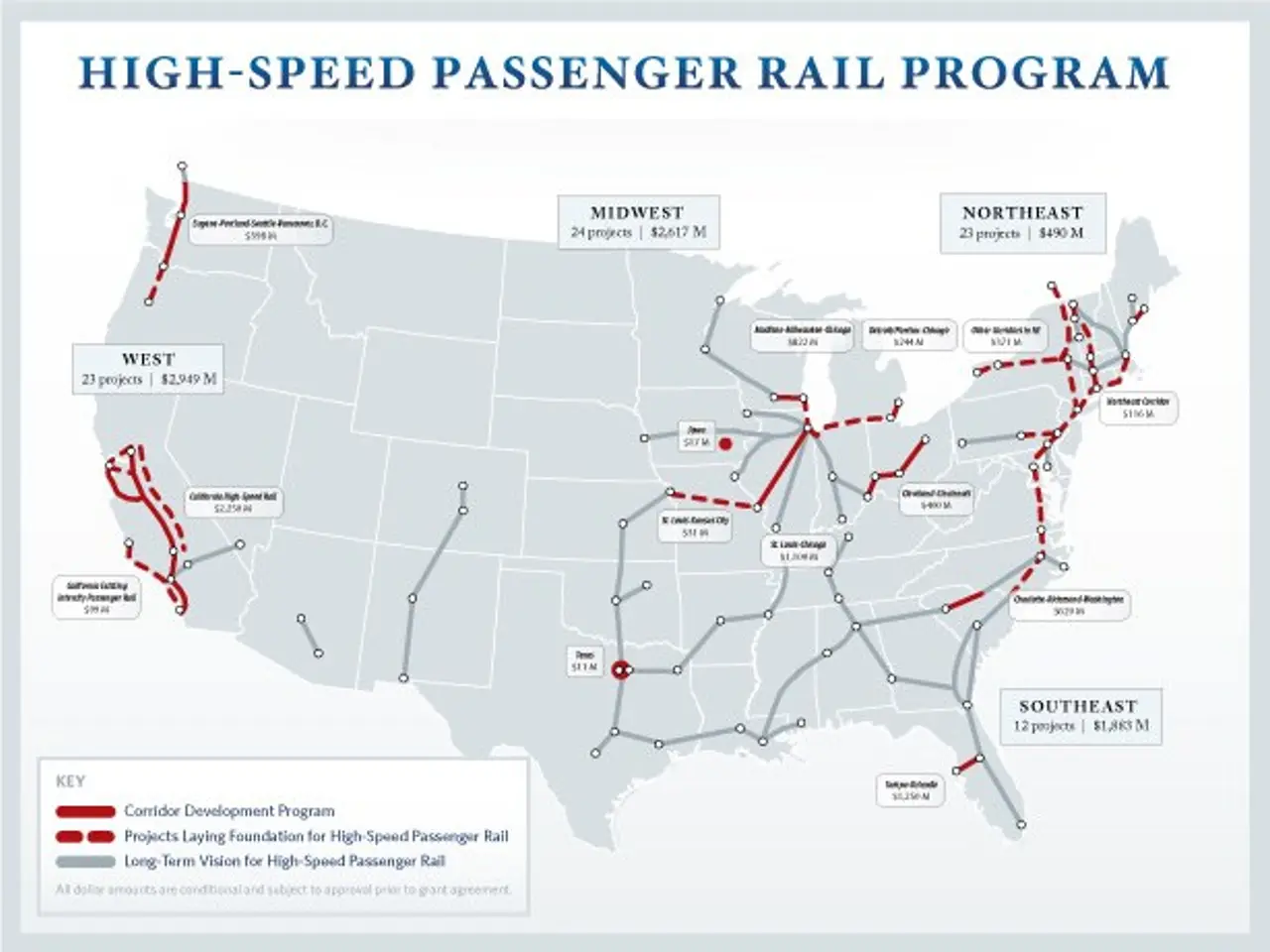
High-speed rail (HSR) has transformed travel across the globe, with networks expanding rapidly in recent decades. China leads in both construction and passenger numbers, while other nations continue to develop their own lines. Yet despite its growth, only a few projects have fully recovered their costs over time.
The economic effects of HSR stretch far beyond faster journeys, reshaping regional development and easing pressure on busy transport routes. However, the steep price of building these systems—often running to tens of millions per kilometre—remains a major hurdle for many countries.
Most HSR lines depend on government funding to stay operational. They typically break even in day-to-day running once annual ridership reaches 5 to 6 million passengers. Yet recouping the full investment over 20 to 30 years is rare. Japan's Tōkaidō Shinkansen and China's Beijing-Shanghai line stand out as exceptions, proving long-term financial success is possible.
HSR doesn't just replace other forms of transport—it creates new demand. Studies show that only 14 to 21% of passenger growth comes from travellers switching from planes to trains. The rest represents entirely new journeys, encouraged by the speed and convenience of rail. These networks usually link major cities, each with populations of at least 10 million, such as Madrid to Barcelona or Tokyo to Osaka.
Around two dozen countries already operate HSR systems, with another two dozen in the process of building them. But few have matched China's level of integration, where rail forms a central part of national infrastructure. Russia's own high-speed project, for example, carries a budget close to 2.4 trillion rubles, with federal and regional funds covering just over 23% of the total cost.
The broader impact of HSR extends into regional economies. It strengthens technological independence, reduces congestion on older rail lines, and can even shift economic activity by making distant cities more accessible. Yet the high upfront costs—averaging $50 million per kilometre—often slow down expansion plans, leaving many proposed projects in the planning stages for years.
High-speed rail continues to reshape how people and goods move across countries, but its success depends on more than just speed. While a small number of lines have turned a profit over decades, most rely on ongoing subsidies to function. The challenge for governments remains balancing the long-term economic benefits with the immediate financial burden of construction. For now, only a fraction of planned networks worldwide have moved from blueprints to reality.
Read also:
- India's Agriculture Minister Reviews Sector Progress Amid Heavy Rains, Crop Areas Up
- Cyprus, Kuwait Strengthen Strategic Partnership with Upcoming Ministerial Meeting
- Inspired & Paddy Power Extend Virtual Sports Partnership for UK & Ireland Retail
- South West & South East England: Check & Object to Lorry Operator Licensing Now