Gold and Silver Prices Hit Record Highs Amid Supply Crunch and Soaring Demand
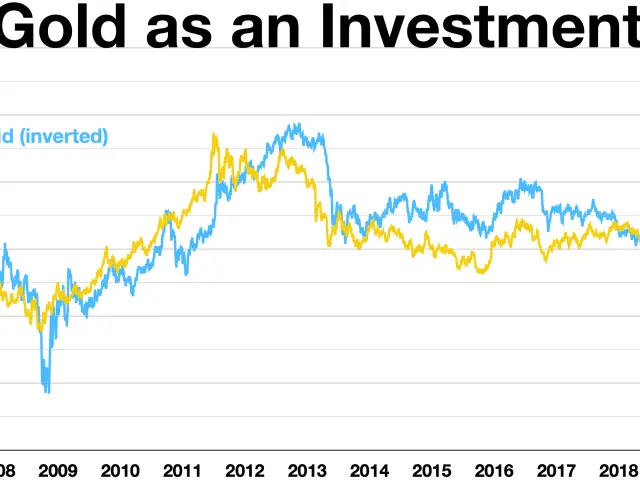
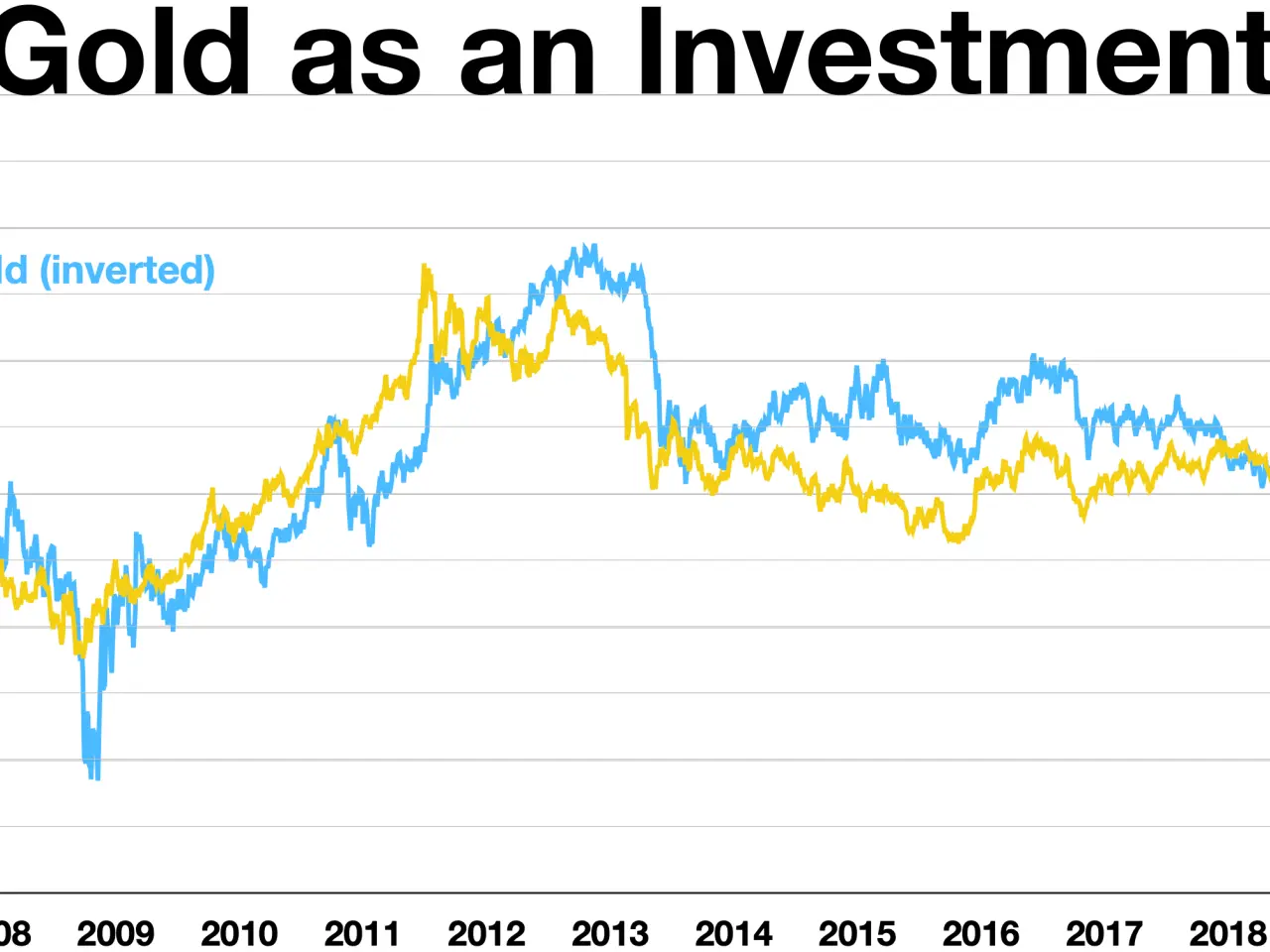
Gold and silver prices have soared over the past year, with silver climbing by roughly 140% and gold by about 62%. The surge has triggered a rush of interest, as searches for both metals jumped sharply in January. Supply shortages and industrial demand have pushed silver and gold prices to record levels, reshaping markets worldwide.
The price rally began in late January, when both metals hit all-time highs. A brief dip followed, but prices quickly rebounded. By early 2025, silver had risen nearly 150% year-on-year, while gold also saw strong gains.
Global supply chains have tightened due to multiple factors. Mine deficits, rising industrial demand (especially from solar and electric vehicle sectors), and delays in recycling have squeezed availability. Geopolitical tensions, including US tariffs and Middle East conflicts, have worsened the strain. Low inventories on exchanges like COMEX and London have added to the pressure.
In Europe, the impact has been particularly severe. Germany, Switzerland, and Austria face prolonged physical shortages, higher premiums on silver and gold, and wider gaps between buying and selling prices. Germany's gold reserves, stored in the US, now carry repatriation risks amid trade disputes. Local buyers are paying more to secure metal, and procurement costs have risen sharply.
The surge in demand has overwhelmed mints. Many have stopped taking new silver orders or are operating on strict allocations. Trade Me, a popular online marketplace, reported a 264% year-on-year increase in silver searches in January, while gold searches rose by 18%. The platform's Antiques & Collectables and Jewellery & Watches sections saw a spike in activity, driven by what some call a 'metals meltdown'.
Experts warn that jewellery is a poor investment choice for precious metals. High premiums, doubts over purity, and taxes on resale reduce returns. Instead, investment bullion—standardised, certified, and widely traded—offers a more reliable option. Sellers are advised to list items with clear details, including carat and weight in grams, and to use terms like 'authentic' and 'hallmarked' to build trust.
The price surge and supply squeeze have reshaped how people buy and sell precious metals. Markets remain volatile, with mints struggling to meet demand and investors turning to bullion over jewellery. For now, the trend shows no signs of slowing, as industrial needs and geopolitical risks keep pressure on global silver and gold supplies.
Read also:
- India's Agriculture Minister Reviews Sector Progress Amid Heavy Rains, Crop Areas Up
- Cyprus, Kuwait Strengthen Strategic Partnership with Upcoming Ministerial Meeting
- Inspired & Paddy Power Extend Virtual Sports Partnership for UK & Ireland Retail
- South West & South East England: Check & Object to Lorry Operator Licensing Now