German workers fight to reclaim lost pension years due to record errors
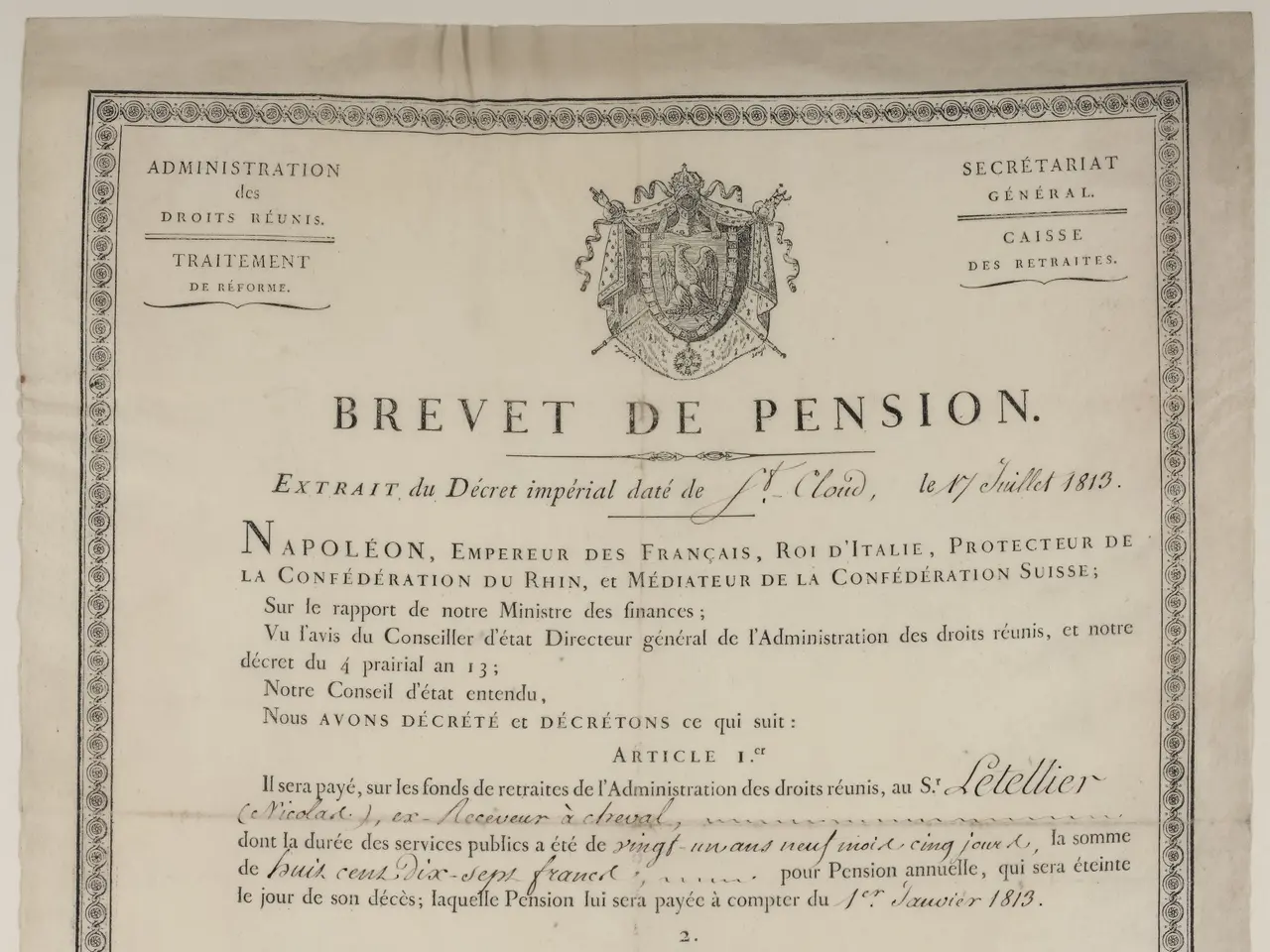
Thousands of workers in Germany face unrecognised employment periods that affect their pension claims. Errors in official records, missing documents, or incomplete data can leave years of service uncounted. For many, correcting these mistakes means gathering evidence and navigating legal steps to secure fairer retirement benefits.
Gaps in employment history often stem from inaccuracies in work books or missing entries in the individual pension account (IPA). Before 2002, record-keeping was less centralised, leaving some workers with unconfirmed service. Even today, incomplete IPA data can lead to unrecognised work periods, reducing pension entitlements.
To fix these issues, employees must submit a formal request to the relevant pension authority. Supporting documents, such as pay slips, contracts, or witness statements, strengthen the claim. If the employer still operates, workers can also seek direct compensation for unrecorded service.
For disputed cases, filing a court petition with employment verification can update the IPA. Studies show that between 3,000 and 5,000 people annually qualified for occupational disability pensions from 2019 to 2021, highlighting how common such discrepancies are. A thorough approach—combining evidence, legal action, and persistence—increases the chances of full recognition.
Courts can order corrections to the IPA if sufficient proof, like employer confirmations or sworn testimony, is provided. This process ensures that previously overlooked work is officially acknowledged.
Correcting employment records can lead to higher pension payments for those affected. Workers must act by collecting evidence and submitting formal requests or court petitions. Without these steps, uncounted service may remain unresolved, leaving retirees with lower benefits than they are entitled to.
Read also:
- India's Agriculture Minister Reviews Sector Progress Amid Heavy Rains, Crop Areas Up
- Sleep Maxxing Trends and Tips: New Zealanders Seek Better Rest
- Over 1.7M in Baden-Württemberg at Poverty Risk, Emmendingen's Housing Crisis Urgent
- Cyprus, Kuwait Strengthen Strategic Partnership with Upcoming Ministerial Meeting