GE Vernova's $1.46B DOE grant fuels Net-Zero 1 and carbon removal growth
GE Vernova (GEV) is making strides in clean energy and carbon reduction, with key projects set to boost revenue and profitability. The company's latest developments include a $1.46 billion US Department of Energy (DOE) grant for its Net-Zero 1 project and advancements in carbon removal technology. Investors have seen sharp swings in the stock, reflecting both market volatility and rapid growth potential.
GE Vernova's financial performance shows mixed trends. Revenue grew by 9.0% over the last 12 months, though the three-year average remains flat. Operating margins sit at 3.7%, while free cash flow margins reach 9.7%. The stock currently trades at a high price-to-earnings ratio of 48.5, indicating strong investor expectations.
The Net-Zero 1 (ATJ-30) project, backed by the DOE funding, aims to increase adjusted EBITDA by roughly $150 million per plant. A final investment decision is due by late 2026. Additional support comes from Inflation Reduction Act tax credits, including investment and production incentives for wind and energy storage, though exact figures for these programs remain undisclosed.
GEV's carbon and Verity platform is also gaining traction. Carbon dioxide removal (CDR) sales could climb to $3–5 million by the end of 2025, up from $1 million in Q2. This growth is expected to drive high-margin recurring revenue. Meanwhile, the company's ETO technology, now patented in the US, may cut future plant costs by up to 35%. Partnerships are already in place to develop and license this technology.
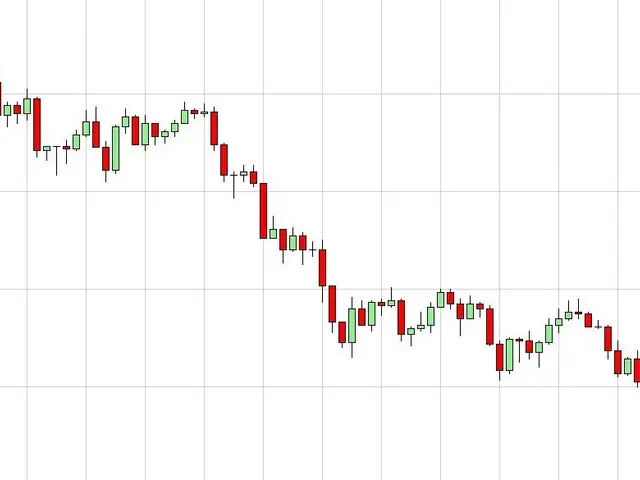
The stock has shown volatility, with gains exceeding 50% in two-month periods during critical years. However, downturns—such as the Dot-Com crash, 2008 financial crisis, and 2022 selloff—have led to losses over 20%. More recently, shares surged over 30% in early 2024.
GE Vernova's focus on Net-Zero 1 and carbon monetisation could strengthen its financial position in the coming years. The DOE funding, tax incentives, and technology advancements provide clear revenue streams, though market fluctuations remain a risk. Investors will watch closely as the company moves toward its 2026 investment decision and expands its high-margin product lines.