Modernizing Transport Infrastructure in Germany: A Focus on Rail and Road
Gathering of Transport Ministers Affirms Bremen's Request for Specialized Financial Allocation towards Transport Infrastructure
Germany is embarking on a significant initiative to revitalize its transport and climate infrastructure, with a €500 billion infrastructure fund as part of its economic strategy[1][3]. This fund, crucial for modernizing and expanding Germany's transport network, includes roads and railways.
The Proposed Infrastructure Fund
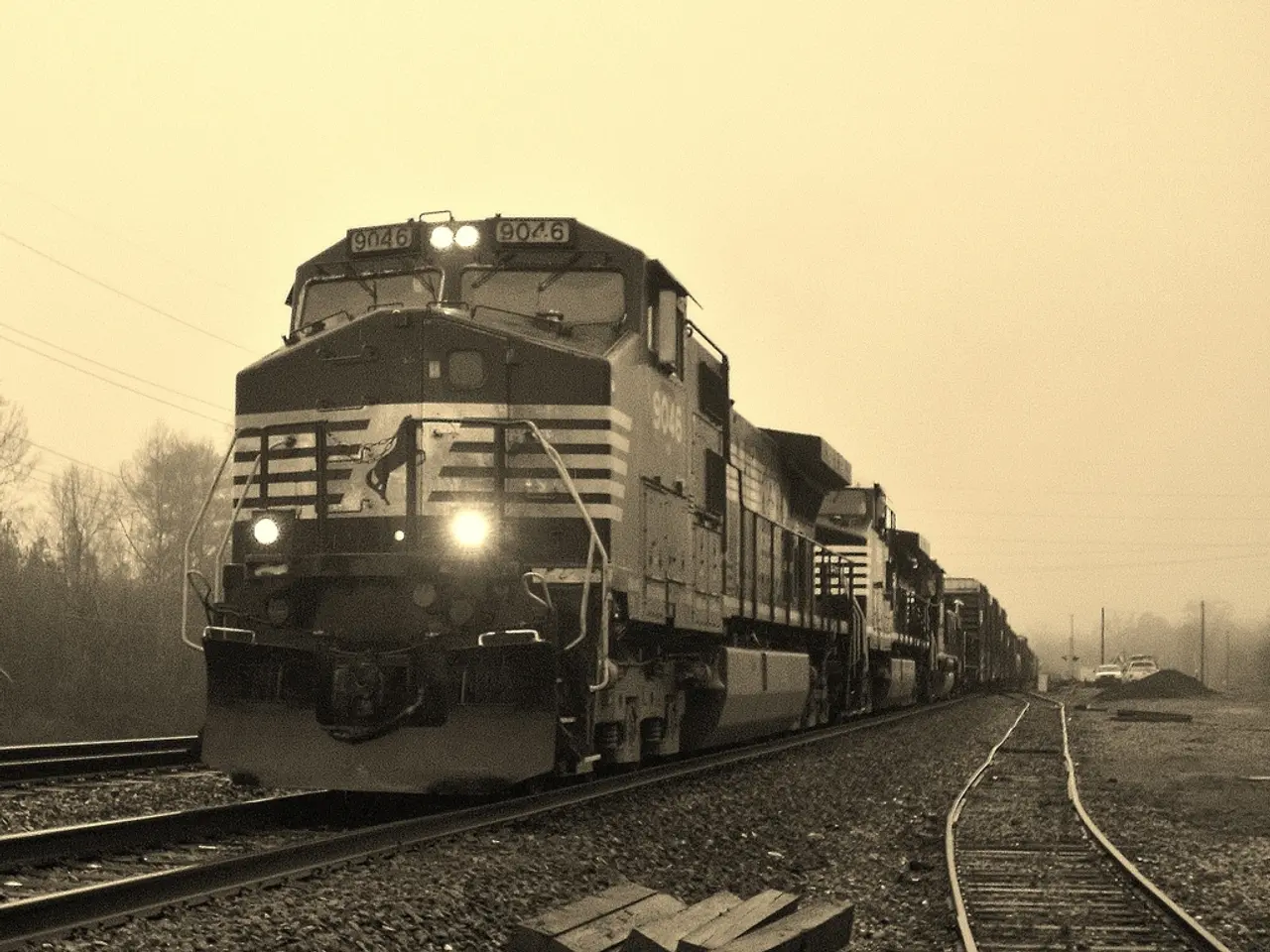
The fund, a key component of Germany's economic strategy, is set to play a significant role in modernizing and expanding the country's transport network[1][3]. Deutsche Bahn, Germany's national railway company, is undertaking a €150 billion rail modernization plan from 2025 to 2034[3]. This plan includes major projects like Stuttgart 21 and Munich's S-Bahn expansion, which are expected to create substantial opportunities for civil engineering contractors.
Challenges and Initiatives
While the specifics of road infrastructure development within the fund are less detailed, the overall focus on enhancing transport infrastructure suggests that both road and rail projects will benefit from this investment. However, there are ongoing concerns and calls for reforms in the rail sector.
Concerns Over DB Track Prices
Deutsche Bahn has faced criticism for high track access prices, which can make it difficult for private railway operators to compete effectively[2]. This has raised concerns about the need for reforms to ensure a more competitive and accessible rail market.
Calls for Reforms
There are ongoing calls for reforms in the rail sector, particularly regarding track access charges and the need for more competitive pricing to encourage private investment and improve efficiency. Additionally, there is a push for faster implementation of standardized systems like ERTMS (European Rail Traffic Management System) to enhance cross-border connectivity and capacity[2]. The focus on megaprojects has been criticized for diverting resources away from essential network upgrades, highlighting the need for a balanced approach to infrastructure development[2].
Senator Unsal's Concerns and Calls for Action
Bremen's Senator Oezlem Unsal has expressed concern about the impact of cuts in the federal budget for 2024 on the implementation of new and expansion projects in the rail demand plan[4]. She stated that investments in transport infrastructure should be considered as part of public services[5]. Unsal also urges the need to revise the legal basis of the track pricing system, citing the rising track prices as a significant strain on the regionalization funds from the federal government, which are stagnating[6]. Without reforms to the track pricing system, Bremen may also be forced to reduce train services[6].
In conclusion, while Germany is investing heavily in transport infrastructure, there is a need for reforms to address issues like competitiveness and efficiency in the rail sector. The significant investment in modernization and infrastructure development is set to shape the future of transport in Germany. The foundation for this infrastructure fund will be laid by the next federal election.
References: 1. Bundesregierung 2. VMK 3. Deutsche Bahn 4. Senator Unsal 5. Tagesspiegel 6. Wirtschaftswoche
- The infrastructure fund, a critical aspect of Germany's economic strategy, is intended to modernize and expand the transport network, encompassing not only railways but also roads and highways, thereby directly impacting the transportation industry and the broader business sector in finance and public-transit.
- Deutsche Bahn's rail modernization plan, worth €150 billion from 2025 to 2034, presents substantial opportunities for civil engineering contractors and businesses, particularly in the construction of major projects like Stuttgart 21 and Munich's S-Bahn expansion.
- Despite the progress in rail modernization, concerns have been raised about the competitiveness of the rail sector, with criticisms of high track access prices making it difficult for private railway operators to thrive, prompting calls for reforms to ensure a more accessible and efficient rail market.