Florida's Seaports Embrace Electrification to Cut Costs and Emissions
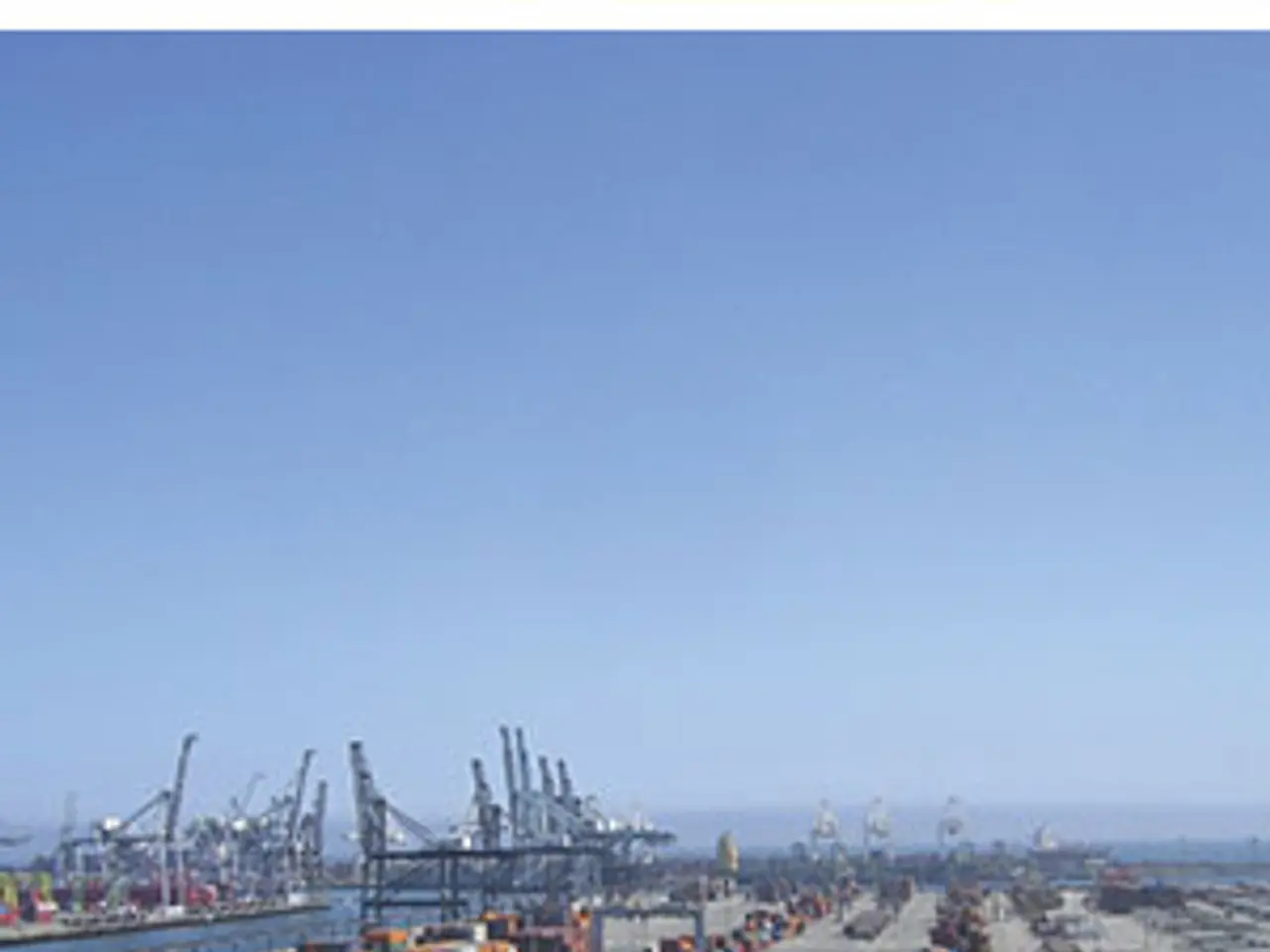
Florida's 16 seaports play a vital role in the state's economy, contributing over $117 billion a year. Now, many are turning to electrification to cut emissions and boost efficiency. A new report highlights how shore power and electric equipment could reshape the industry.
A study titled Powering Florida: Port Electrification as a Pillar for Global Competitiveness, produced by AECOM for the Environmental Defense Fund, outlines the benefits of electrifying port operations. Shore power systems let docked ships plug into the grid instead of running on fuel, slashing emissions and improving local air quality. Seven Florida ports have already installed or are developing shore power, with 72 percent of cruise ships expected to support the technology by 2028.
Ports are major sources of pollution, making them prime candidates for electrification. Electric rubber-tired gantry cranes (eRTGs) offer long-term savings, cutting over $60,000 per unit in costs across 20 years compared to diesel models. The switch also allows ports to stack cargo higher and use space more efficiently.
Modernising infrastructure helps ports stay competitive by attracting more business and reducing operating expenses. The report stresses that electrifying container yards and cargo-handling equipment will be key to improving efficiency and densification in Florida's ports.
Electrification brings both environmental and financial advantages for Florida's ports. By adopting shore power and electric equipment, they can lower emissions, cut costs, and strengthen their position in global trade. The shift is already underway, with several facilities leading the way.
Read also:
- India's Agriculture Minister Reviews Sector Progress Amid Heavy Rains, Crop Areas Up
- Sleep Maxxing Trends and Tips: New Zealanders Seek Better Rest
- Over 1.7M in Baden-Württemberg at Poverty Risk, Emmendingen's Housing Crisis Urgent
- Life Expectancy Soars, But Youth Suicide and Substance Abuse Pose Concern