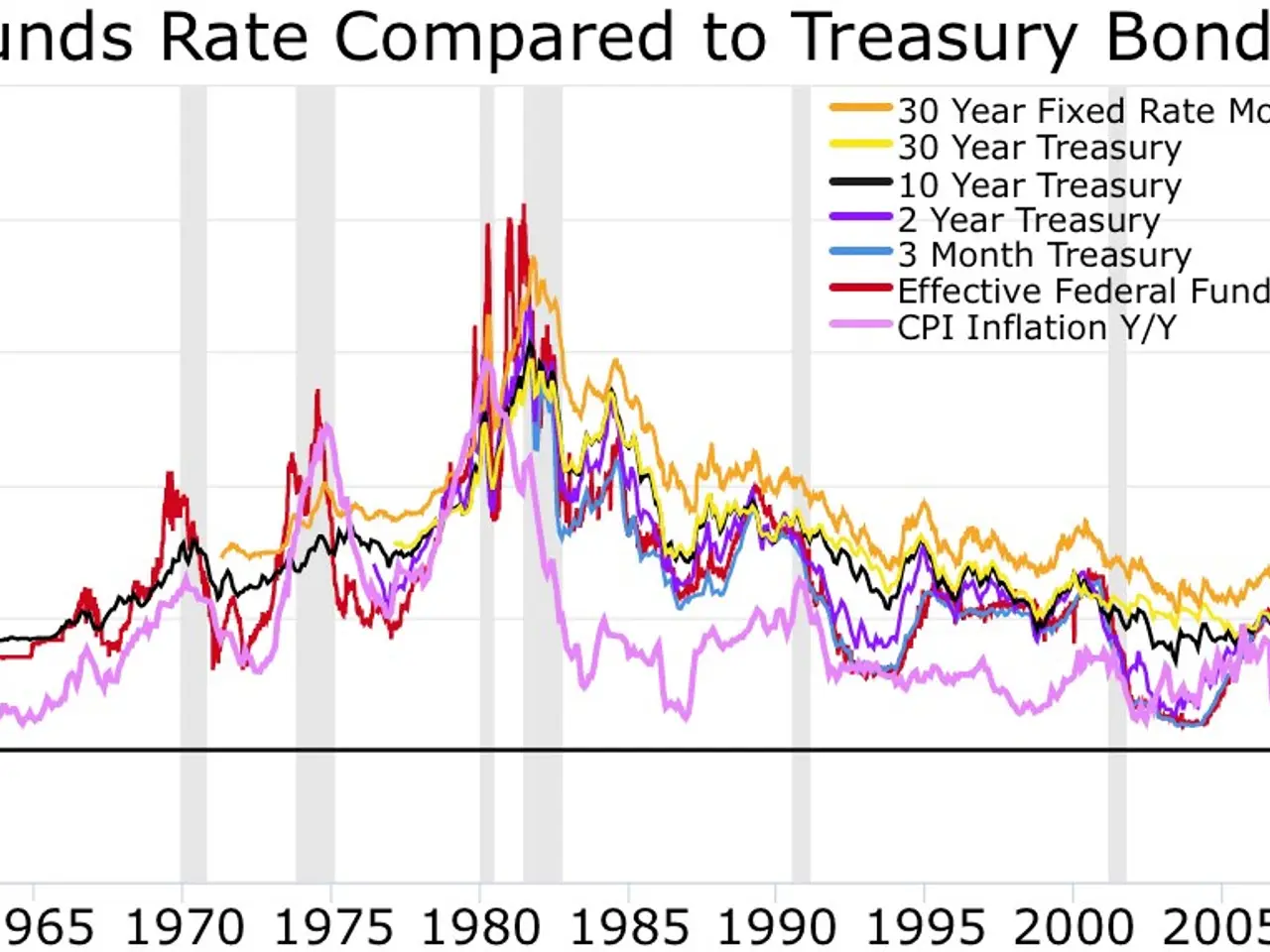
Federal Reserve slashes interest rates again as economic debate heats up
The US Federal Reserve has cut interest rates for the third time in 2025, reducing them to a range of 3.5% to 3.75%. The move comes amid concerns over the labour market, though economists remain divided on its long-term effects. Free market advocate Larry Kudlow has criticised the Fed's approach, arguing that growth does not fuel inflation and that markets will correct any missteps.
The latest rate cut follows two earlier reductions this year, each by 25 basis points. Since March 2026, rates have held steady, with no further changes expected due to ongoing geopolitical tensions, rising oil prices, and inflation risks. The Fed has adopted a cautious stance, hinting at only one possible cut by year-end if conditions improve. Meanwhile, its 2026 growth forecast has been raised to 2.4%, with inflation projected at 2.7%.
Kudlow, a vocal supporter of free market policies, has repeatedly challenged the Fed's reliance on economic models. In a recent post on X, he called for Kevin Warsh to replace the current leadership, urging the abandonment of theories like the Phillips Curve, which links growth to inflation. He insists that stronger economic activity does not automatically push prices higher and that available credit reflects real production rather than artificial stimulus. Despite the Fed's interventions, investment bankers continue to thrive by connecting businesses with capital. Kudlow argues that markets naturally reward companies that reduce costs and improve efficiency. He maintains that the Fed's actions have limited impact compared to the self-correcting nature of free markets, which he believes will ultimately prevail.
The Fed's latest rate cut leaves borrowing costs at 3.5% to 3.75%, with no immediate plans for further adjustments. Kudlow's criticism highlights a broader debate over whether central bank policies or market forces drive economic stability. For now, the Fed's cautious approach reflects uncertainty over inflation, geopolitical risks, and the resilience of financial markets.
Read also:
- India's Agriculture Minister Reviews Sector Progress Amid Heavy Rains, Crop Areas Up
- Cyprus, Kuwait Strengthen Strategic Partnership with Upcoming Ministerial Meeting
- Inspired & Paddy Power Extend Virtual Sports Partnership for UK & Ireland Retail
- South West & South East England: Check & Object to Lorry Operator Licensing Now