EU-Backed SMARTLINE-PV Project Aims to Transform Solar Energy with Tin Perovskite Cells
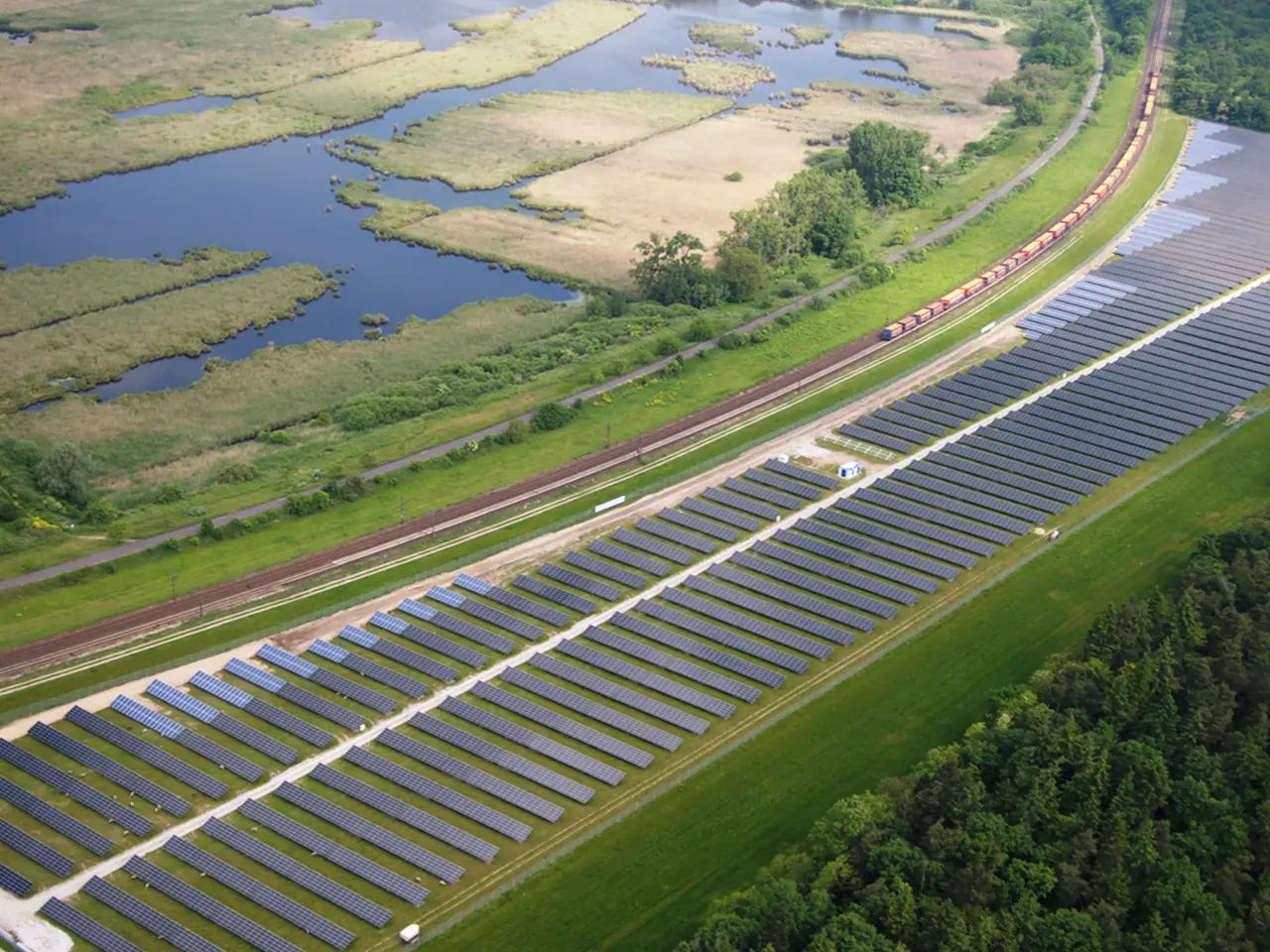
A new EU-funded project is set to revolutionise solar energy by developing safer, more adaptable photovoltaic cells. SMARTLINE-PV, launched by the Fraunhofer Institute for Solar Energy Systems in Freiburg, brings together 13 European partners to advance tin-based perovskite solar technology. The initiative aims to replace lead—a major environmental concern—while improving efficiency and design flexibility for real-world applications.
Current solar panels rely heavily on silicon, which dominates the market but struggles with rigidity, weight, and limited design options. Perovskite solar cells, particularly those using tin halides, offer a promising alternative. They boast high efficiency (now over 27%), low-temperature processing, and flexibility, making them ideal for emerging uses like building-integrated photovoltaics (BIPV).
The SMARTLINE-PV project focuses on overcoming key challenges in tin perovskite cells, such as rapid crystallisation, defect density, and chemical instability. Researchers are exploring plasma-assisted crystallisation, a solvent-free method that speeds up production at low temperatures and supports roll-to-roll manufacturing. This approach could make large-scale, cost-effective production a reality. Beyond performance, the project introduces the MorphoColor concept, allowing colour variation in solar modules. This innovation opens doors for architectural integration, where panels can blend seamlessly into building designs. The team also targets efficiencies above 20% for tin-based cells, ensuring they remain competitive with traditional silicon modules. With €5 million in funding from the Horizon Europe programme, the consortium combines expertise from academia and industry. Their goal is to bridge the gap between lab research and practical, market-ready solutions for Europe’s clean energy transition.
SMARTLINE-PV’s advancements could make tin perovskite solar cells a viable, eco-friendly alternative to lead-based technologies. By improving stability, efficiency, and design versatility, the project supports Europe’s push for a climate-neutral energy system. The outcomes may also accelerate the adoption of solar power in construction and beyond.
Read also:
- India's Agriculture Minister Reviews Sector Progress Amid Heavy Rains, Crop Areas Up
- Cyprus, Kuwait Strengthen Strategic Partnership with Upcoming Ministerial Meeting
- Inspired & Paddy Power Extend Virtual Sports Partnership for UK & Ireland Retail
- South West & South East England: Check & Object to Lorry Operator Licensing Now