Energy Transfer's Q4 Earnings Surge 8% as Pipeline Expansion Fuels Growth
Energy Transfer has reported strong financial growth in its latest quarterly results. The company's earnings before interest, taxes, depreciation, and amortisation (EBITDA) rose by 8% to $4.18 billion compared to the same period last year. Shareholders also saw a 3% increase in distributable cash flow, reaching $2.04 billion.
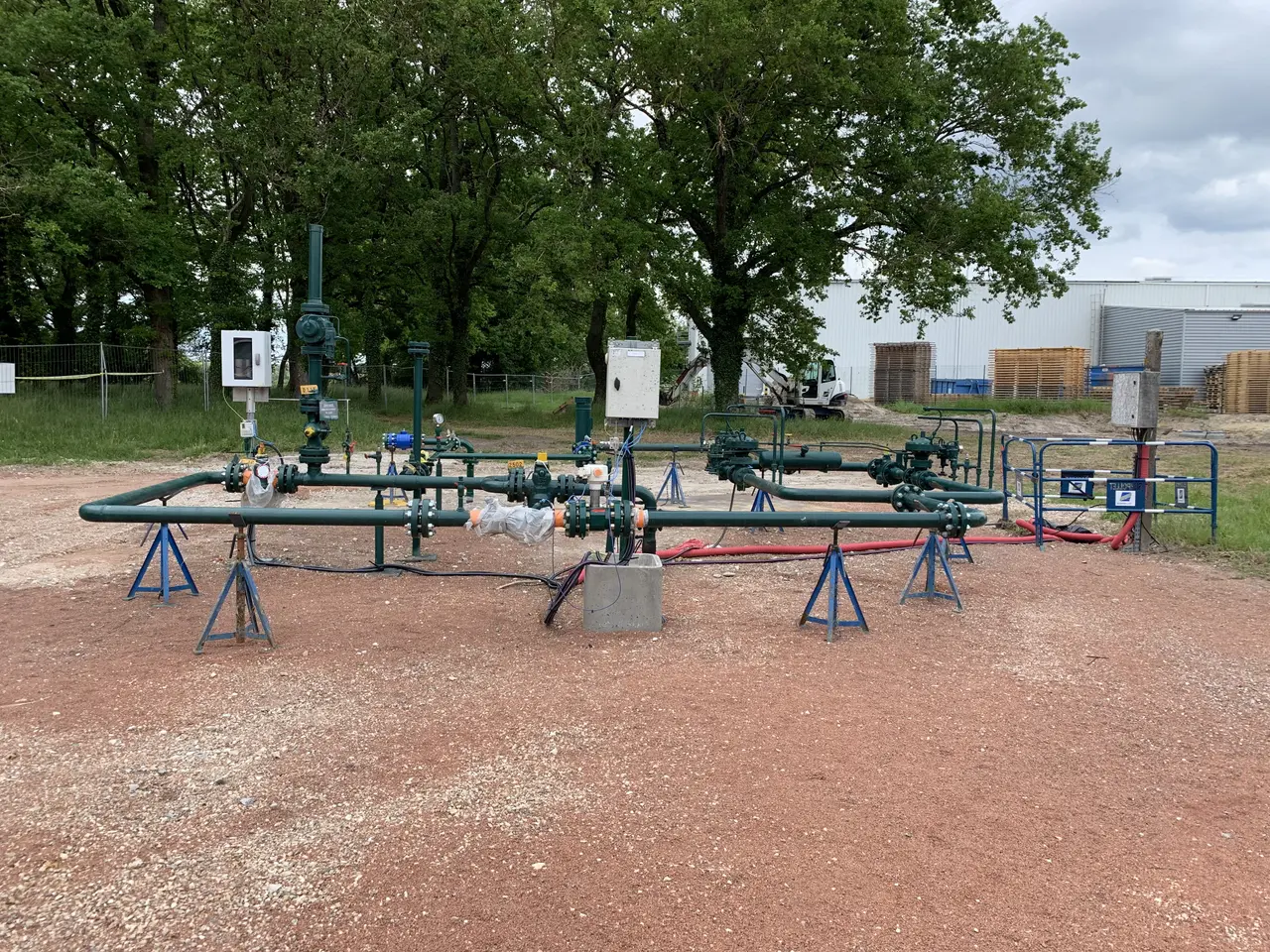
The firm is now expanding its investments in key infrastructure, with two major natural gas pipelines under development in the Permian Basin.
The company's financial performance has improved across several areas. EBITDA climbed to $4.18 billion in Q4, up 8% year over year. Distributable cash flow to partners also grew by 3%, hitting $2.04 billion, while maintaining a coverage ratio of nearly 1.8. Analysts note that Energy Transfer remains attractively valued, trading at an enterprise value-to-EBITDA multiple of 8.6 times, with a forward yield of 7.2%.
Capital spending is set to rise significantly in 2026, with planned expenditures between $5 billion and $5.5 billion. The company has also raised its full-year EBITDA forecast slightly, now expecting between $17.45 billion and $17.85 billion. These investments are projected to deliver mid-teens returns, adding around $90 million in extra EBITDA once fully operational.
Two major pipeline projects are driving much of this growth. Phase 1 of the Hugh Brison Pipeline is on track to begin operations by the end of this year. Meanwhile, the Desert Southwest Pipeline has faced challenges, including a $150 million cost increase due to rising steel prices—up 25% since 2022—along with unexpected delays from environmental reviews and unstable soil conditions in the Mojave Desert. Despite these setbacks, the project has been expanded to meet strong customer demand, with completion now expected by late 2029.
Energy Transfer's financial results show steady growth, with higher EBITDA and increased cash flow for shareholders. The company's expanded pipeline projects, despite cost overruns and delays, are expected to boost long-term earnings. With a higher capex budget and revised EBITDA forecasts, the firm is positioning itself for continued expansion in the energy sector.