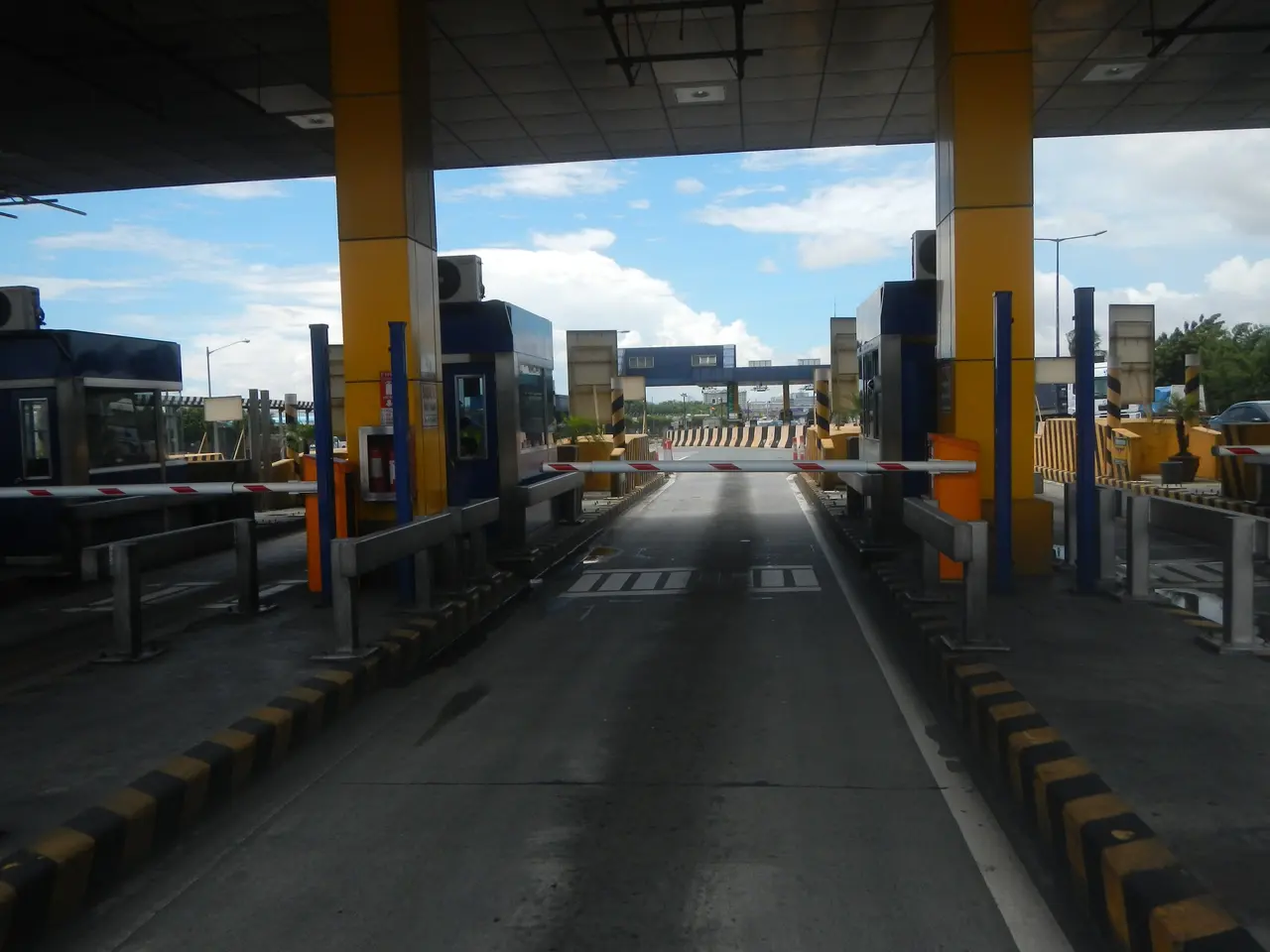
Dubai's Salik toll system overhauls pricing with dynamic fees and new gates in 2025
For nearly two decades, the Salik toll system operated on a reassuringly simple principle: every time you passed a gate, you paid AED 4. It did not matter whether you crossed at 7 am in bumper-to-bumper traffic or at 11 pm on an empty road. The fee was the same. That simplicity is gone. Dubai introduced dynamic pricing across its toll network. If you have not yet fully adjusted your commute around it, you are probably paying more than you need to.
This is not a minor tweak. Combined with the two new toll gates added in late 2024 and a broader shift in how Dubai manages road usage, the changes to Salik represent the most significant transformation of the city's toll infrastructure since the system launched in 2007. Here is everything you need to know, and what you can actually do about it.
The New Pricing Structure: What You Pay and When
The variable pricing model introduced by Salik divides the day into four distinct charging windows. Understanding them precisely is the starting point for managing your costs.
- Peak hours - AED 6 per crossing: Weekdays, 6:00 am to 10:00 am and 4:00 pm to 8:00 pm. These are your standard morning and evening commute windows. The AED 6 rate applies to all gates during these times.
- Off-peak hours - AED 4 per crossing: Weekdays, 10:00 am to 4:00 pm and 8:00 pm to 1:00 am. Midday and early evening crossings drop back to the old flat rate.
- Late night - Free: 1:00 am to 6:00 am: Every day of the week. Any crossing in this window costs nothing.
- Sundays - AED 4 all day: Excluding the free late-night window, Sundays carry a flat AED 4 rate regardless of the time. The higher peak charge does not apply on Sundays.
One existing rule worth remembering: if you pass through Al Safa North and South gates, or Al Mamzar North and South gates, in the same direction within one hour, you are charged only once. This single-charge rule remains in place under the new pricing structure.
Two New Gates: Where They Are and Why They Matter
In November 2024, two new toll gates were added to the Salik network, bringing the total number of gates across Dubai to ten. Their locations are strategic; both address well-known congestion pinch points that the existing network was not capturing.
The Business Bay Crossing gate sits on Al Khail Road, one of Dubai's key north-south arteries that runs parallel to Sheikh Zayed Road. Al Khail Road had become an increasingly popular alternative for drivers trying to avoid the existing Salik gates on SZR; so much so that it was generating its own serious congestion. The new gate addresses this directly. If your route takes you along Al Khail Road through the Business Bay area during peak hours, you are now in a toll zone where you were not before.
The Al Safa South gate on Sheikh Zayed Road sits close to the existing Al Safa North gate, adding a southbound coverage point on one of the city's busiest stretches. This gate is also notable for being solar-powered, a part of Dubai's broader commitment to sustainable infrastructure. Together, the two new gates are projected to reduce congestion on their respective corridors by up to 42%, according to Salik's own data.
The commercial impact of the new gates has been significant. In Q2 2025, chargeable trips on the Salik network reached 160.4 million, with peak period crossings rising by nearly 47% year-on-year. Salik's full-year 2025 revenue reached AED 3.1 billion, up 35%, and net profit rose 33% to AED 1.5 billion. These figures confirm that the new pricing and gate structure is operating broadly as designed: more gates, more coverage, and a pricing model that is changing behaviour at the margins while still capturing significant volume at peak times.
What This Means for Your Daily Commute
The practical question for most Dubai residents is straightforward: how does this affect what I pay, and what can I do about it? The answer depends on your route and your flexibility, but the numbers are worth doing.
A commuter who passes through two Salik gates during the morning peak and two during the evening peak, a common pattern for anyone driving along Sheikh Zayed Road, is now paying AED 24 per working day in tolls, compared to AED 16 under the old flat rate. Over a typical working month of 22 days, that is AED 528 versus AED 352. The monthly difference of AED 176 is not life-changing, but it is not trivial either, and for businesses managing fleets of vehicles, it multiplies quickly.
The new system also creates a genuine incentive to adjust timing where possible. Shifting a morning departure from 7:30 am to 10:15 am on days when the schedule allows drops the cost per crossing from AED 6 to AED 4. If you can make that shift twice a week across two gates, you save AED 16 per week, more than AED 800 over a year from a single timing adjustment. The RTA has been explicit that this behavioural shift is exactly what the pricing model is designed to encourage.
Smart Strategies to Manage Your Salik Costs
Whether you are an individual commuter or a business owner managing a team or a fleet, there are several practical steps worth taking in response to the new system.
- Map your gate crossings: Most commuters know roughly which gates they pass but have not counted them precisely under the new structure. Use the RTA Dubai app to review your crossing history and identify which gates are costing you the most. The two new gates on Al Khail Road and SZR South may be adding charges you have not fully registered yet.
- Adjust departure times where possible: Even a 30-minute shift in your morning or evening travel time can move you from the AED 6 window to the AED 4 window. The off-peak period starts at 10:00 am and resumes at 8:00 pm; both ends of the peak window are worth targeting if your schedule has any flexibility.
- Explore alternative routes for shorter trips: Not every journey requires a motorway. For shorter distances, particularly in areas well-served by parallel roads, using surface streets that bypass toll gates during peak hours is worth the occasional extra few minutes. The RTA app includes a toll-avoidance routing option that is useful for planning these alternatives.
- Consider an electric vehicle for the Salik tag benefit: One of the more significant incentives embedded in the new Salik framework is the free Salik tag for electric vehicle owners. If you are approaching a vehicle change decision and your annual toll spend is material, this benefit, combined with reduced fuel costs and lower maintenance expenses, strengthens the financial case for an EV in the Dubai context.
- For business owners managing fleets: audit and adjust: Businesses running delivery vehicles, service teams, or company cars should conduct a full audit of gate crossings by vehicle. Adjusting dispatch schedules to shift peak-hour crossings to off-peak windows, where operationally feasible, can produce meaningful savings at scale. A fleet of ten vehicles making four peak-hour crossings per day represents over AED 50,000 per year in additional cost compared to the old flat rate.
What Comes Next for Salik
The current changes are not the endpoint. Salik's leadership has signalled clearly that the network will continue to expand. The company has signed a ten-year agreement with Dubai Airports, pointing to the integration of tolling infrastructure within the broader airport mobility ecosystem. Dynamic parking tariffs, including pricing of up to AED 25 per hour in premium zones near event locations, are already being piloted as part of a unified congestion management approach that links road tolls and parking costs under a single framework.
Additional gates in growing or heavily congested corridors are widely anticipated. Areas such as Dubai Hills, Al Furjan, and the expanding southern suburbs, which have seen rapid residential development and corresponding traffic growth, are logical candidates for future coverage. If your current commute feels gate-free, it may not stay that way.
The shift to dynamic pricing is, on its own terms, a sensible piece of urban transport policy. It creates real financial incentives for behaviour change, reduces peak-hour congestion, and aligns with Dubai's broader smart city ambitions. For the individual driver or the business owner with vehicles on the road, it is simply a new variable to factor into planning.
Read also:
- India's Agriculture Minister Reviews Sector Progress Amid Heavy Rains, Crop Areas Up
- Over 1.7M in Baden-Württemberg at Poverty Risk, Emmendingen's Housing Crisis Urgent
- Life Expectancy Soars, But Youth Suicide and Substance Abuse Pose Concern
- Cyprus, Kuwait Strengthen Strategic Partnership with Upcoming Ministerial Meeting