Drought devastates Barind Tract as farmers face 60% crop losses and sinking incomes
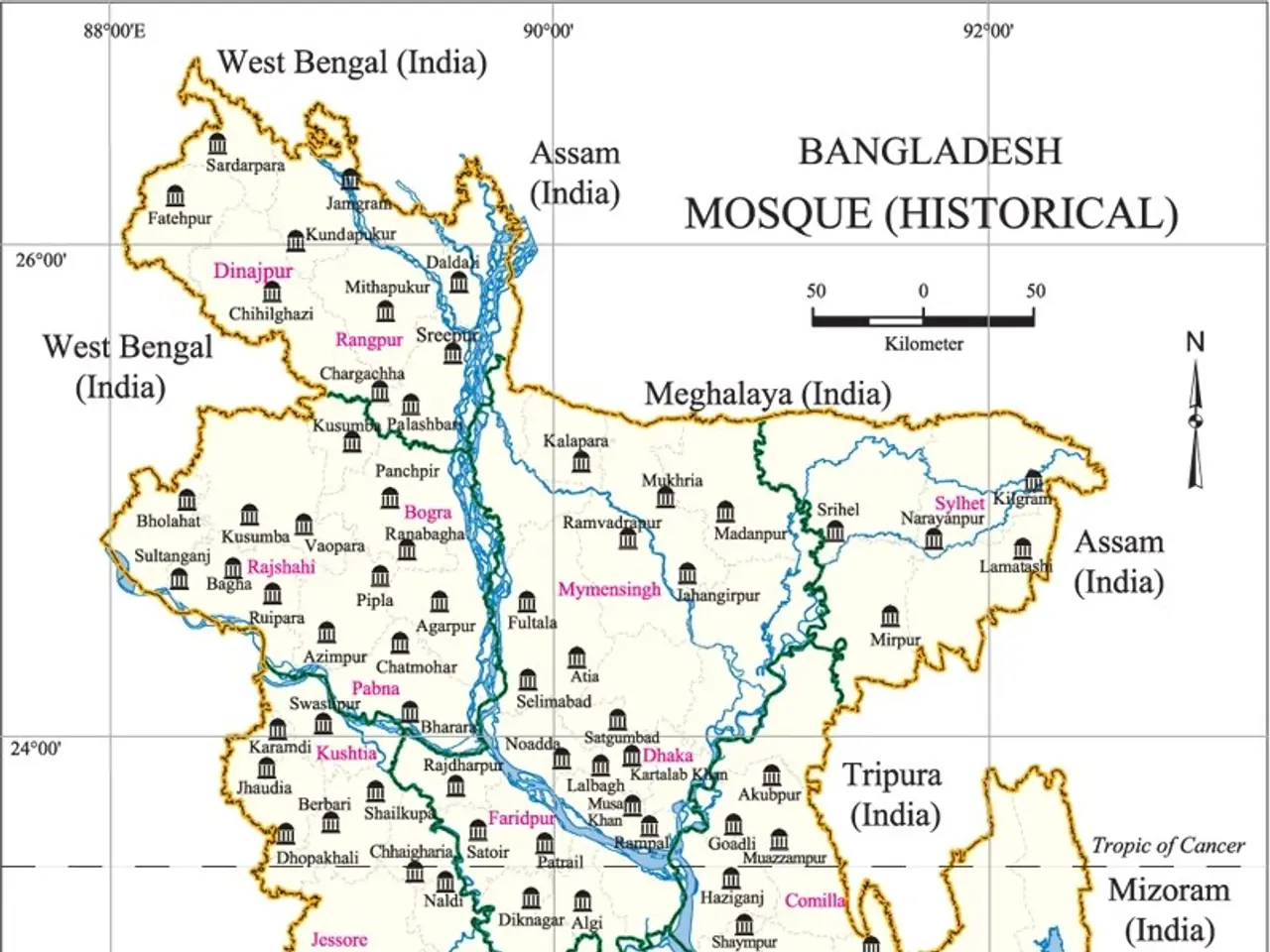
Drought has hit the Barind Tract hard, cutting rice production by 36% and wheat output by up to 60% in some areas. Farmers in the 7,770-square-kilometre region are struggling as climate change brings rising temperatures, less rain, and sinking groundwater levels. Many now face income losses of up to 40% during severe dry spells. The Barind Tract, a stable geomorphological formation, has long relied on groundwater for farming. Over 90% of farmers use deep or shallow tube wells to irrigate their fields. But repeated droughts have drained aquifers and left surface waters dry, making farming far tougher.
Few farmers have adapted to the worsening conditions. Only 23% store water in ponds or tanks, while 13% have never tried intercropping to protect their harvests. Wealthier landowners often control what little water remains, leaving smaller farmers with even fewer options.
As incomes drop, families are cutting back on expensive foods and switching to cheaper alternatives. Many have sold livestock or tools to cover debts, while others take out loans just to get by. Some now migrate seasonally to find work, abandoning their fields when the drought peaks.
Researchers suggest urgent changes to ease the crisis. They recommend using cheaper irrigation methods, reducing dependence on groundwater, and improving support services for farmers. Without action, the cycle of crop failures and financial strain will likely worsen. The drought's impact stretches beyond fields, forcing farmers to sell assets, borrow money, and change diets. Groundwater depletion and repeated crop losses remain the biggest threats to their livelihoods. Without better water management and adaptation strategies, the region's farming communities will continue to face severe hardship.
Read also:
- India's Agriculture Minister Reviews Sector Progress Amid Heavy Rains, Crop Areas Up
- Sleep Maxxing Trends and Tips: New Zealanders Seek Better Rest
- Over 1.7M in Baden-Württemberg at Poverty Risk, Emmendingen's Housing Crisis Urgent
- Life Expectancy Soars, But Youth Suicide and Substance Abuse Pose Concern