Devon Energy stock surges 11% in a month as oil prices climb amid Middle East tensions
Devon Energy (DVN) has seen a strong rise in its share price over the past month. The company's stock climbed 1.33% on Thursday, closing at $48.80, as oil prices continued to gain ground. Investors have responded to growing tensions in the Middle East and concerns over potential supply disruptions.
The recent surge in DVN's stock follows a broader rally in energy shares. Between March 11 and March 18, the company's shares jumped 6.2%, even as the S&P 500 fell by 2.23%. Over the past month, DVN has gained roughly 11.3%, with a year-to-date increase of about 35%.
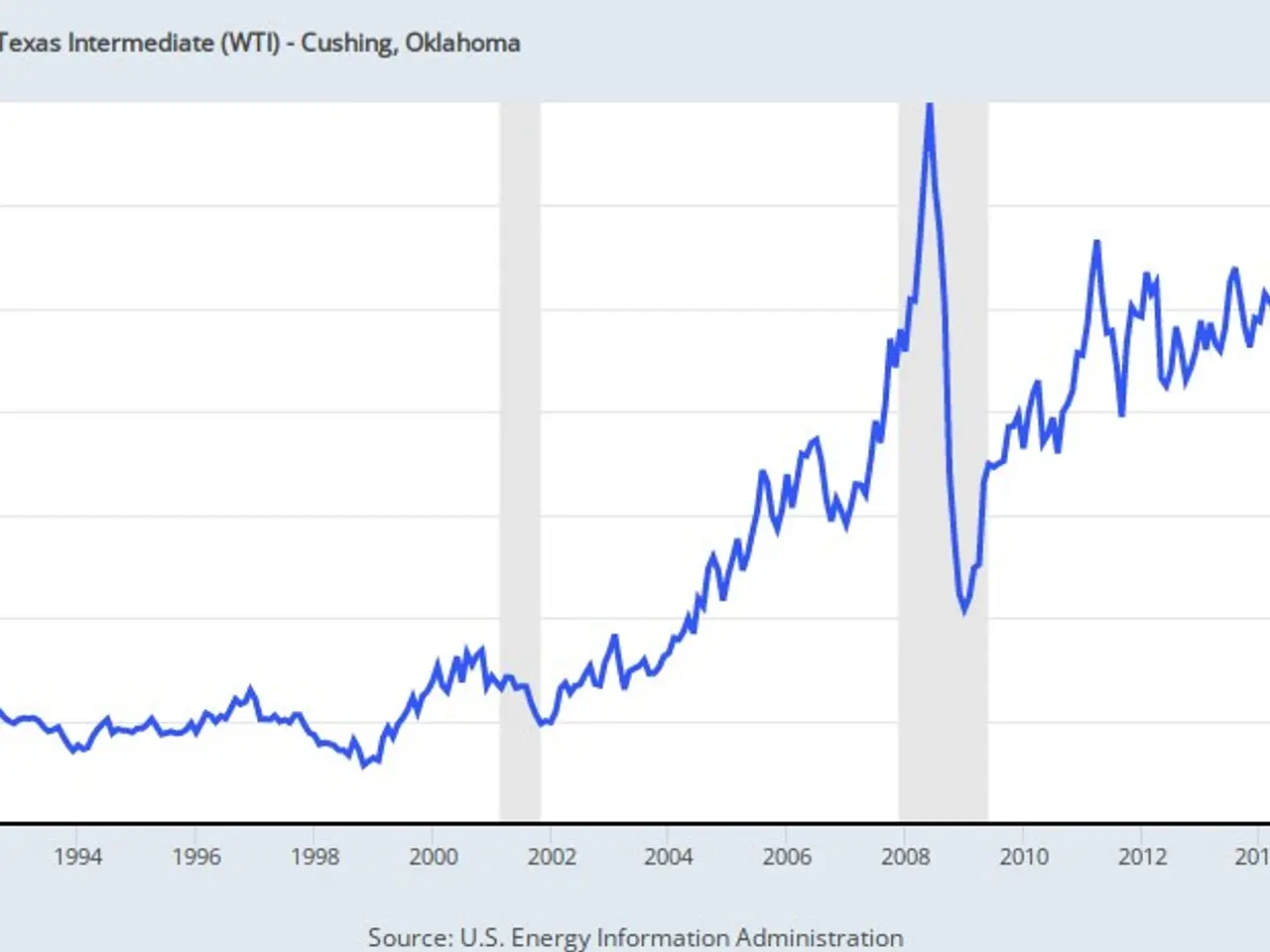
The upward trend aligns with rising crude prices, driven by geopolitical tensions and OPEC+ production cuts. Devon Energy reached a 52-week high of $46.17 in mid-March, pushing its market capitalisation to around $29 billion. The company's focus on the Permian Basin, which accounts for over 70% of its production, has helped cut per-barrel costs through modern drilling techniques. Wall Street analysts remain largely optimistic about DVN. Out of 26 ratings, 20 recommend buying or holding a stronger position, while six suggest holding. However, Seeking Alpha's Quant Rating system currently rates the stock as a Hold, with a score of 3.34 out of 5.
Devon Energy's stock performance reflects both market conditions and its operational strengths. With oil prices rising and production efficiency improving, the company has maintained investor confidence. The outlook remains tied to broader energy trends and geopolitical developments.