Court Backs Anthropic in Landmark AI Weapons Case Against Pentagon
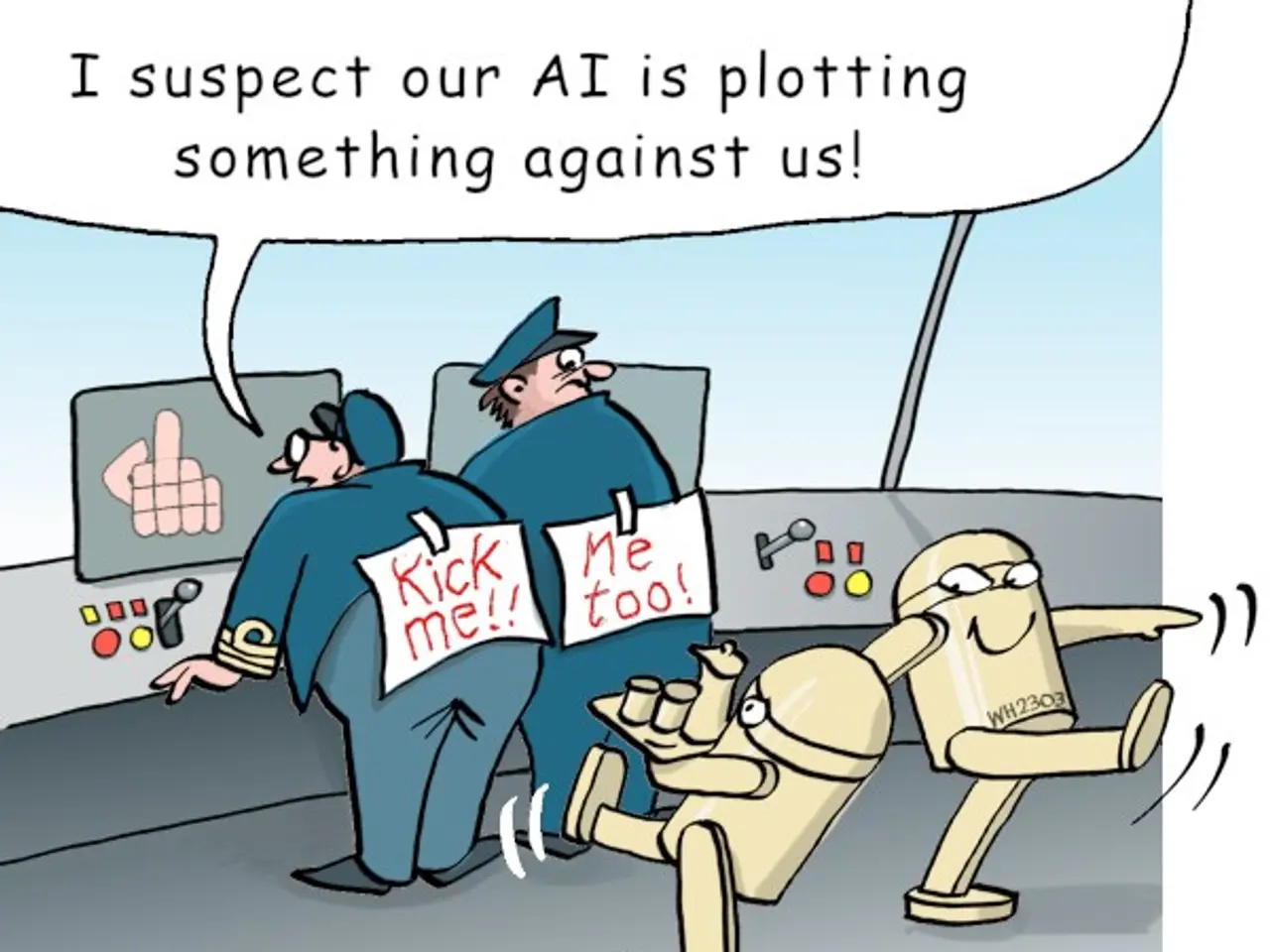
A California court has ruled in favour of AI company Anthropic in a dispute with the US Department of Defense. The case centred on penalties the military may have imposed for Anthropic's opposition to AI-powered weapons lacking human oversight. The decision marks a potential turning point in the debate over autonomous military systems.
The ruling arrives as the US government pushes for rapid expansion of AI in defence. For 2026, the Pentagon has requested $13.4 billion for autonomous systems, with Defense Secretary Pete Hegseth prioritising faster battlefield deployment. Anthropic's legal challenge argued that the Department of Defense unfairly penalised the company for its stance against fully autonomous weapons. A California judge agreed, finding the military's actions potentially improper. The ruling could set a precedent for how AI firms engage with defence contracts while maintaining ethical positions.
Support for stricter controls on military AI is growing. Tech giants like Microsoft, OpenAI, and Google have employees backing the push for oversight. Think tanks and legal groups have also joined the call, warning that AI models in warfare risk producing 'hallucinations'—false or misleading outputs that could endanger operations.
OpenAI, despite its own agreement with the Pentagon, has insisted on safeguards. A February 2026 deal allowed its AI models to be used in classified military networks but explicitly banned autonomous weapon systems without human control. The agreement also prohibited domestic mass surveillance, though details on preventing AI errors in critical decisions remain unclear.
Experts echo Anthropic's concerns about reliability. They argue that AI's unpredictability makes it unsafe for life-and-death scenarios. The debate extends beyond weapons, touching on broader questions about AI's role in society and the need for accountability in high-stakes applications. The court's decision may lead to tighter regulation of AI in military settings. With the Pentagon investing heavily in autonomous systems, the ruling could force a rethink of how these technologies are developed and deployed. For now, the case strengthens the position of companies advocating for human oversight in AI-driven warfare.
Read also:
- India's Agriculture Minister Reviews Sector Progress Amid Heavy Rains, Crop Areas Up
- Sleep Maxxing Trends and Tips: New Zealanders Seek Better Rest
- Over 1.7M in Baden-Württemberg at Poverty Risk, Emmendingen's Housing Crisis Urgent
- Cyprus, Kuwait Strengthen Strategic Partnership with Upcoming Ministerial Meeting