Cordless Drill Market Splits as Premium and Budget Segments Clash Over Innovation
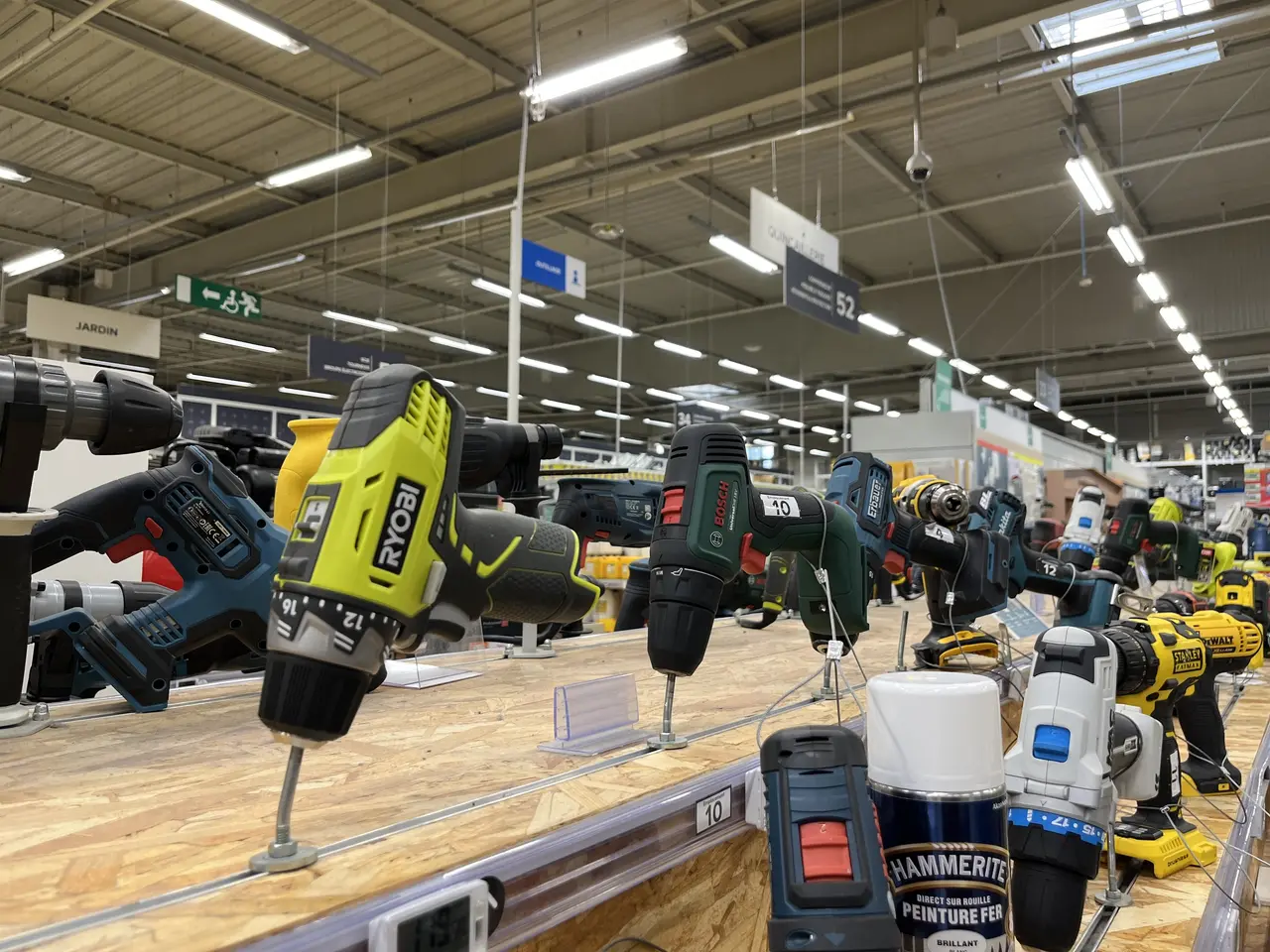
The global compact cordless drill market is undergoing a major shift. What was once a straightforward product category has now split into two distinct segments: a high-volume, budget-conscious market and a premium tier focused on advanced features and performance. Manufacturers are adapting to these changes while facing new challenges in supply chains, retail dynamics, and sustainability demands.
Over the past five years, leading brands like Bosch, Makita, and Stanley Black & Decker have taken control of their supply chains. They now produce key components in-house, particularly lithium-ion batteries, and have moved assembly closer to major markets. Southeast Asia, Eastern Europe, and North America have become strategic hubs, helping companies avoid disruptions caused by geopolitical tensions and shipping delays.
The meaning of 'compact' in cordless drills has also changed. It no longer just describes size but now includes benefits like lighter weight, better balance, and easier use in tight spaces. Meanwhile, e-commerce has become more than just a sales channel—it's where customers research, compare, and validate purchases before and after buying.
Retailers are gaining more influence, with big home improvement chains and online marketplaces setting strict rules on pricing, promotions, and packaging. This has sped up the growth of private-label brands, which now offer quality close to name brands at lower prices. At the same time, premium brands are focusing on high-margin accessories, digital features, and ergonomic improvements to stand out.
Environmental rules are no longer an afterthought but a core part of product design. Companies must now meet stricter compliance standards while also competing on battery platform compatibility. Brands that offer interchangeable batteries across tools are winning customer loyalty by making their ecosystems more convenient and cost-effective.
The market's future will depend on how well manufacturers balance cost pressures with innovation. Premium brands will keep pushing advanced features and digital integration, while budget options will face stronger competition from retailer-owned labels. Supply chain control and regulatory compliance will remain critical as the industry adapts to these evolving demands.
Read also:
- India's Agriculture Minister Reviews Sector Progress Amid Heavy Rains, Crop Areas Up
- Cyprus, Kuwait Strengthen Strategic Partnership with Upcoming Ministerial Meeting
- Inspired & Paddy Power Extend Virtual Sports Partnership for UK & Ireland Retail
- South West & South East England: Check & Object to Lorry Operator Licensing Now