Chinese stock markets tumble as earnings forecasts darken before Lunar New Year
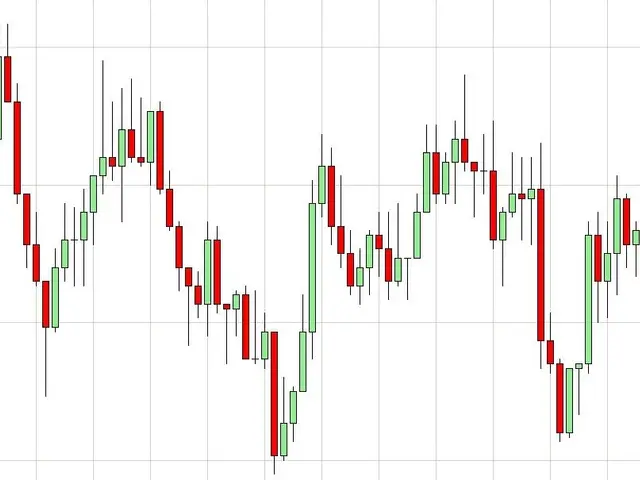
Chinese stock markets faced renewed pressure on February 15, with major indices falling sharply. The Shanghai Composite dropped 1.26%, while the Shenzhen Component lost 1.28% in a single day. Meanwhile, an exchange-traded fund (ETF) betting against Chinese stocks saw gains as investor sentiment turned cautious ahead of the Lunar New Year break.
The decline in Chinese equities came as earnings forecasts for the fourth quarter of 2025 worsened. A Morgan Stanley report highlighted a sharp deterioration in corporate expectations, driven by weak domestic demand. Government stimulus measures, scaled back in recent months, have failed to offset the slowdown, adding to concerns about economic recovery.
Against this backdrop, the ProShares UltraShort FTSE China 50 ETF (FXP) rose by 1.84% on February 14. This ETF is designed to deliver twice the inverse (-2x) of the FTSE China 50 Index, which tracks major Hong Kong-listed Chinese firms. Other similar funds, such as the ProShares Short FTSE China 50 (YXI) and Direxion Daily FTSE China Bear 3x Shares (YANG), also offer ways to profit from declining Chinese stocks.
Over the past year, the FTSE China 50 Index has lagged behind domestic markets. While the Shanghai Composite gained around 5.23% and the Shenzhen Component surged 36.17%, the FTSE China 50 saw only modest growth. Analysts attribute this underperformance to international trade tensions and weaker H-share stocks, which are heavily represented in the index.
Trading will pause from February 16 to 23 as markets close for the Lunar New Year holidays. During this period, analysts will closely watch holiday consumption data for signs of economic activity. The break comes at a time when the recent rally in Chinese stocks appears to be losing momentum, leaving investors uncertain about the near-term outlook.
The latest market movements highlight growing concerns over China's economic recovery. With earnings expectations falling and domestic demand remaining weak, the FTSE China 50 Index continues to underperform relative to mainland indices. Investors will now look to post-holiday data to assess whether consumer spending can provide any support to struggling equities.