China’s shrinking population hits record low as birth rates collapse again
China’s population has dropped for the second year in a row, falling to around 1.405 billion by the end of 2025. This marks a decline of roughly 3.4 million people from the previous year. Experts point to record-low birth rates and an ageing society as the main causes behind the shift.
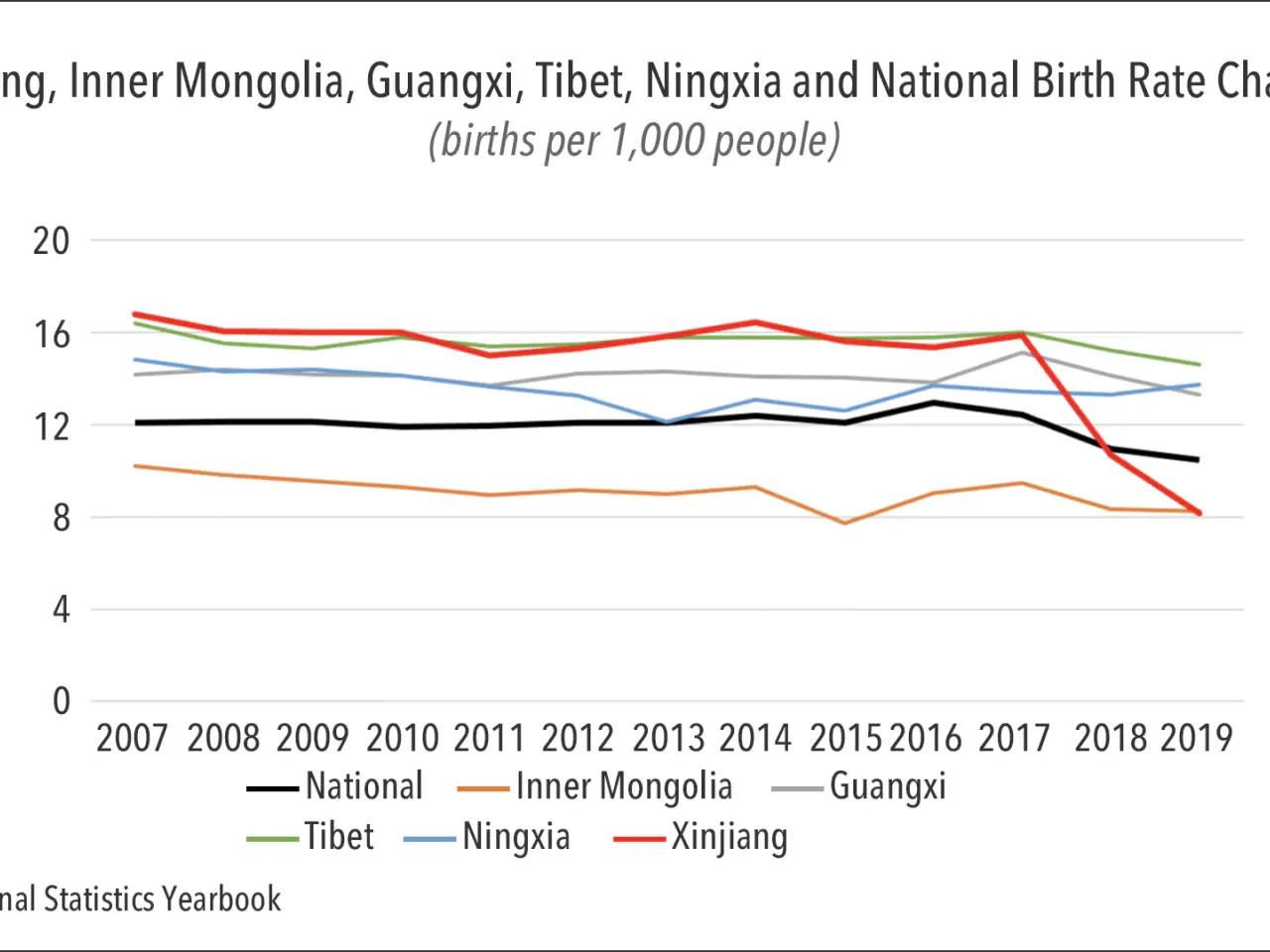
The country’s birth rate hit a historic low in 2025, with just 5.63 births per 1,000 people—the weakest figure since 1949. High childcare and education costs in major cities have made many families hesitant to have more children. In response, the government introduced child allowances to encourage larger families.
Meanwhile, China’s baby boomer generation, born in the 1960s, is now reaching retirement age. By 2050, over 520 million people—more than a third of the population—will be 60 or older. This demographic shift has put pressure on the pension system, as fewer working-age adults support a growing elderly population. To ease the strain, authorities are gradually raising the retirement age. The move aims to keep more people in the workforce for longer, though exact details on the new age thresholds remain unclear.
The combination of falling birth rates and a rapidly ageing population presents long-term challenges for China. With fewer young workers entering the economy, the government’s policies on child support and retirement reform will shape the country’s future stability. Officials continue to monitor the effects of these measures on both families and the workforce.
Read also:
- India's Agriculture Minister Reviews Sector Progress Amid Heavy Rains, Crop Areas Up
- Sleep Maxxing Trends and Tips: New Zealanders Seek Better Rest
- Over 1.7M in Baden-Württemberg at Poverty Risk, Emmendingen's Housing Crisis Urgent
- Cyprus, Kuwait Strengthen Strategic Partnership with Upcoming Ministerial Meeting