China's bold race to dominate humanoid robotics faces key hurdles
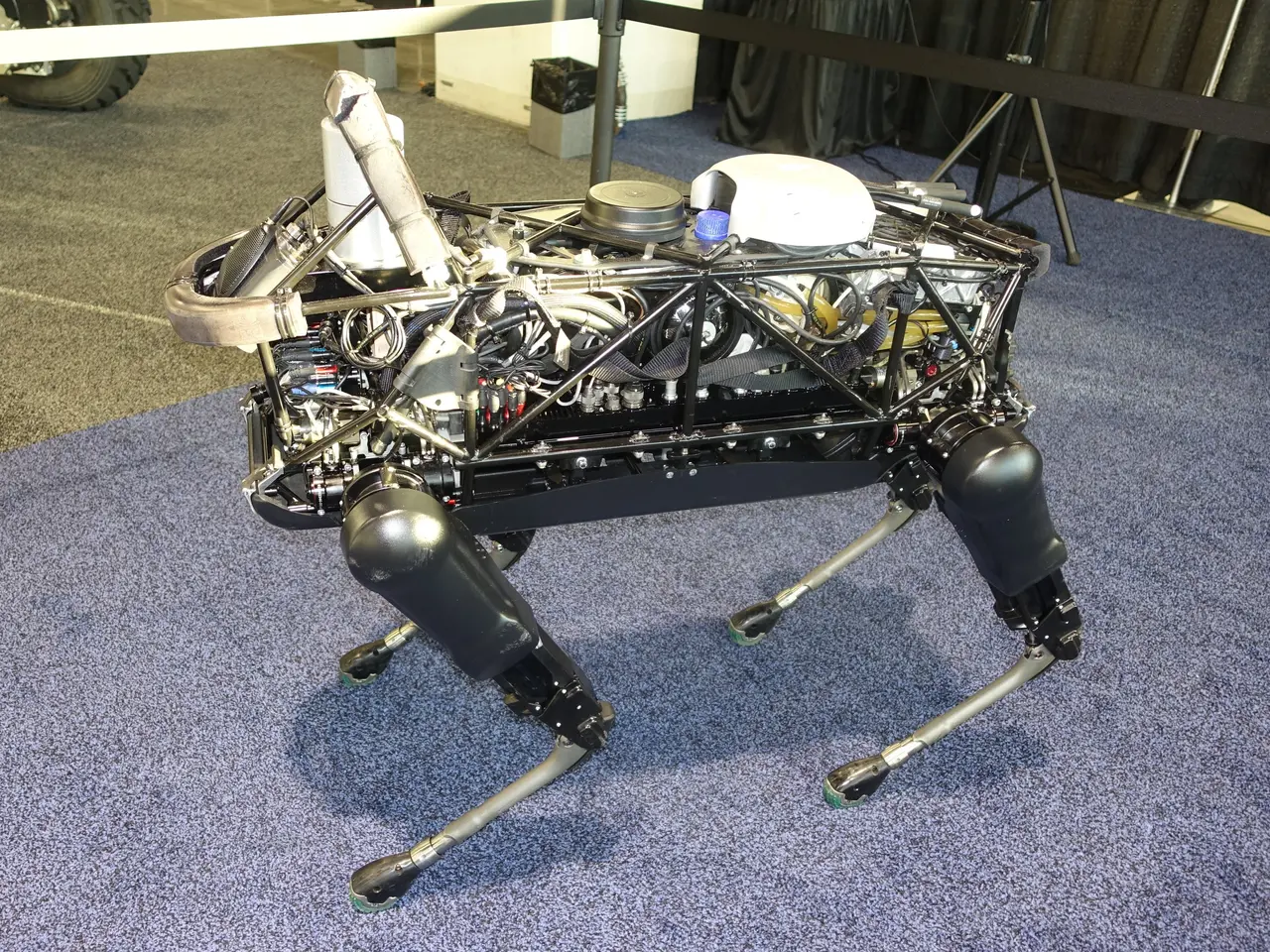
China is actively exploring humanoid robotics, driven by its vast installed base of industrial robots and a push for technological advancement. The sector relies heavily on Nvidia's AI chips and software ecosystem but is rapidly localizing its hardware supply chain. Key policies and funds have been established to promote robotics, support research and development, and assist startups. China's industrial robotics sector and lead in electric vehicles (EVs) provide an edge in developing embodied AI. Humanoid robots in China still lack precision and dexterity, are mostly deployed in limited tasks, and are far from being fully autonomous. They are cheaper than western competitors but need cost reductions of at least half for widespread deployment. The Chinese government is pressing ahead with its vision despite structural risks to the labor market. European firms could face a repeat of the race for EVs, outpaced by China's blend of industrial capacity and state support. China's humanoid sector is still dependent on western and Japanese firms for high-end components. The country's policies and investments suggest it aims to become a global leader in robotics and industrial automation.
Read also:
- India's Agriculture Minister Reviews Sector Progress Amid Heavy Rains, Crop Areas Up
- Cyprus, Kuwait Strengthen Strategic Partnership with Upcoming Ministerial Meeting
- Inspired & Paddy Power Extend Virtual Sports Partnership for UK & Ireland Retail
- South West & South East England: Check & Object to Lorry Operator Licensing Now