Economist Grimm open to savings proposals from CDU's economic council - CDU's radical austerity plan sparks fierce debate over Germany's economic future
Germany's Council of Economic Experts member Veronika Grimm has backed the CDU's latest austerity proposals. The plans aim to cut federal spending and reform pensions, welfare, and taxes. Grimm argues these changes are essential to ease budget pressure and boost growth.
The CDU Economic Council's report, Agenda für Arbeitnehmer in Deutschland, includes major cuts to unemployment benefits, pensions, and dental insurance. Critics have already clashed over the proposals, with Chancellor Merz calling for a shift toward private pensions while opposition parties warn of rising poverty.
Under the CDU's plan, unemployment benefits would be limited to one year. The controversial Mütterrente (mother's pension) and early retirement at 63 would also be scrapped. Grimm stressed that these measures are necessary to reduce the financial strain on the federal economy.
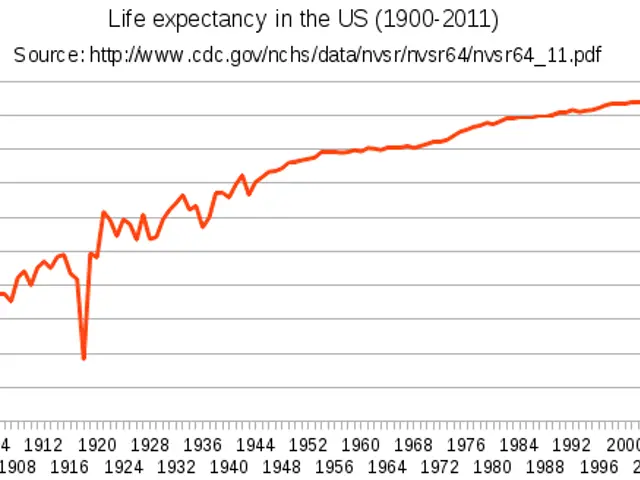
The retirement age would gradually rise in line with life expectancy. At the same time, taxes on employees would be cut significantly. Grimm pointed out that Germany's current tax and social contribution levels are among the highest in Europe and the OECD, making economic reform urgent.
Grimm also criticised the government's pension policies, warning that planned spending would worsen budget deficits. She argued that raising the retirement age and ending early pensions were key steps toward sustainability. The CDU Economic Council further proposed ending insurance coverage for routine dental visits, adding to the cost-cutting measures.
Reactions to the proposals have been sharp. The CDU's Economic Council accused the SPD of being the "party of transfer recipients," while Greens MP Audretsch warned that shifting to private pensions risked increasing old-age poverty. Media outlet t-online praised the push for "more work and less welfare dependency," framing it as a necessary economic correction.
The CDU's proposals would overhaul unemployment support, pensions, and healthcare coverage. If implemented, the changes would reduce state spending while lowering taxes for workers. The debate now centres on whether these cuts will stabilise the economy or leave vulnerable groups at greater risk.
Read also:
- India's Agriculture Minister Reviews Sector Progress Amid Heavy Rains, Crop Areas Up
- Over 1.7M in Baden-Württemberg at Poverty Risk, Emmendingen's Housing Crisis Urgent
- Life Expectancy Soars, But Youth Suicide and Substance Abuse Pose Concern
- Cyprus, Kuwait Strengthen Strategic Partnership with Upcoming Ministerial Meeting