Bitcoin's wild swings mirror geopolitical chaos in West Asia
Bitcoin and other cryptocurrencies have shown sharp price swings in recent weeks as tensions in West Asia escalate. Though initially seen as a potential safe haven, digital assets are now moving in line with riskier investments like tech stocks. Investors remain on edge, adjusting their strategies amid geopolitical uncertainty and shifting oil markets.
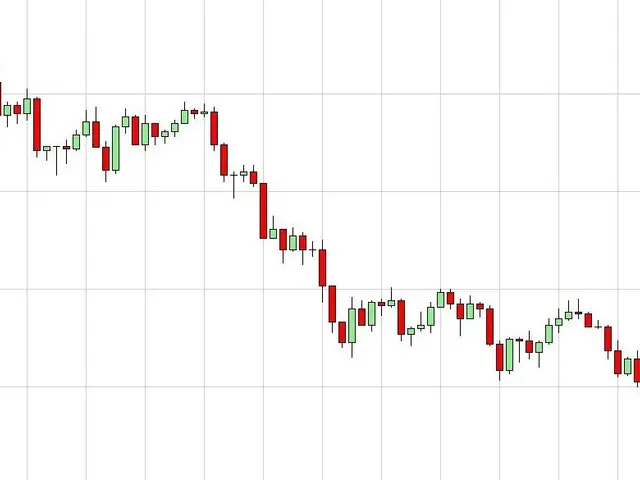
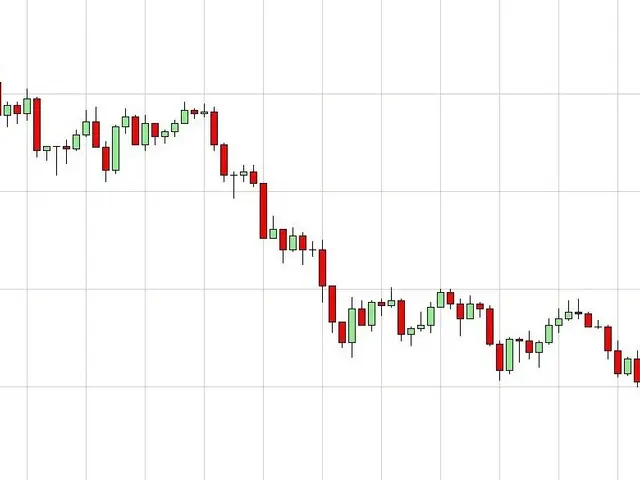
The latest volatility began on 28 February, when US and Israeli airstrikes on Iran triggered a sell-off. Bitcoin initially dipped to around US$68,000 but quickly rebounded to over US$73,000 within days. By 13 March, prices had settled near US$72,000, despite ongoing regional instability. As of 14 March, Bitcoin hovered between US$70,000 and US$71,000, outperforming gold—which lost roughly 2% over the same period—while Bitcoin gained around 7%.
Oil prices spiked early in the conflict after tanker attacks in the Strait of Hormuz, but they retreated following statements by former US President Trump on 8 March, suggesting a swift resolution. This easing of tensions helped Bitcoin recover as markets stabilised. Meanwhile, Iran's economic turmoil drove a 900% surge in cryptocurrency outflows from the country, as locals sought to protect wealth amid the rial's collapse. Analysts warn that broader market trends will hinge on geopolitical and economic factors, particularly the US Federal Reserve's response to inflation driven by oil price fluctuations. While Bitcoin briefly touched US$70,000 midweek as investors briefly sought safety, its behaviour now mirrors that of risk-sensitive assets rather than traditional havens. On Malaysia's Luno exchange, Bitcoin fell 4.15% to RM273,944 at the time of reporting. To assess potential downside risks, traders are watching four key indicators: funding rates, derivatives positioning, institutional cash flows, and liquidation data. Most experts agree that unless the conflict escalates dramatically, the crypto market's overall trajectory for 2026 is unlikely to shift significantly. However, heightened volatility may persist for another two to six weeks until clearer geopolitical signals emerge.
Cryptocurrencies continue to react to West Asia's unfolding crisis, with Bitcoin's recent gains tied to temporary market stabilisation rather than a lasting safe-haven trend. With oil-driven inflation and Federal Reserve policy decisions still in play, traders face an uncertain landscape. For now, digital assets remain closely tied to broader risk sentiment, with further fluctuations expected as the situation develops.
Read also:
- India's Agriculture Minister Reviews Sector Progress Amid Heavy Rains, Crop Areas Up
- Cyprus, Kuwait Strengthen Strategic Partnership with Upcoming Ministerial Meeting
- Inspired & Paddy Power Extend Virtual Sports Partnership for UK & Ireland Retail
- South West & South East England: Check & Object to Lorry Operator Licensing Now