Bitcoin Rally in July 2021: A Combinations of Macroeconomic and Geopolitical Factors
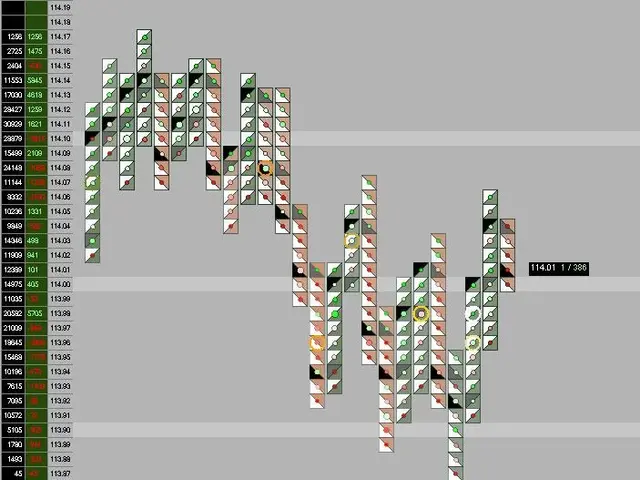
Bitcoin's projected price development on July 7th
The global cryptocurrency market has experienced a surge in July 2021, with Bitcoin leading the charge. This bullish moment was fueled by a combination of macroeconomic and geopolitical factors.
Macroeconomic Uncertainty
The low-interest-rate environment and expanding liquidity have made Bitcoin more attractive compared to traditional assets like bonds. During economic downturns, investors often seek safe-haven assets, and Bitcoin can be perceived as one of them.
The approval of the "One Big Beautiful Bill" budget law on July 3 and the subsequent economic recovery, coupled with geopolitical tensions and shifts in monetary policy, likely played a significant role in shaping Bitcoin's performance.
Geopolitical Tensions
The decentralized nature of Bitcoin has made it a refuge during times of political instability. Global trade tensions, such as the ongoing trade agreement between the United States and Vietnam, have led to increased investor interest in non-traditional assets.
The US Congress's decision to officially declare the week of July 14 to 18 as the "Cryptocurrency Week" further underscores the growing importance of digital assets in the global economic landscape.
Regulatory Clarity
The GENIUS Act, which focuses on the regulation of stablecoins, aims to provide regulatory clarity to the sector and position the United States as a global leader in financial innovation. The CLARITY Act seeks to define the legal status of digital assets, further establishing Bitcoin as a legitimate and recognized asset class.
The Anti-CBDC Act would limit the emission of a digital dollar by the Federal Reserve, adding another layer of complexity to the traditional financial system and potentially driving more interest towards Bitcoin.
Institutional Accumulation
Institutional accumulation has been notable, with multi-million dollar purchases announced by companies such as Strategy, Metaplanet, and GameStop, among others. Constant flows towards Bitcoin ETFs in the US have maintained solid demand and reduced selling pressure.
The reduction in exchange balances indicates that investors prefer to hold their BTC for the long term, decreasing the available supply. This dynamic has contributed to the recent surge in Bitcoin's price.
Market Outlook
The market will continue to closely watch whether BTC can establish a new all-time high (ATH) or if it takes a pause before its next move. Volatility remains part of the game, but the current context suggests that Bitcoin is entering a new stage of maturity.
As of July 7, Bitcoin's market capitalization exceeded $2.17 trillion, and its price surpassed $109,000. The Fear and Greed Index shows a 52% level of optimism, indicating that the market is still not overheated.
In conclusion, the recent Bitcoin rally in July 2021 is not solely due to technical movements but a combination of macroeconomic and geopolitical factors. The trade agreement between the United States and Vietnam, regulatory clarity, institutional accumulation, and the economic recovery have all contributed to this bullish moment in the cryptocurrency market.
- The combination of macroeconomic factors, such as the low-interest-rate environment and expanding liquidity, and geopolitical events, like global trade tensions and regulatory decisions, have driven institutional investors to allocate funds in the cryptocurrency market, particularly Bitcoin, contributing to the market's surge in July 2021.
- As financial innovation continues with regulatory clarity measures like the GENIUS Act and CLARITY Act, and as technological advancements in the decentralized nature of Bitcoin offer a refuge during political instability, the focus on cryptocurrency investing, particularly Bitcoin, could strengthen further in the global economic landscape, further impacting the finance sector.