Beiersdorf's stock crashes to record low after bleak 2026 forecast
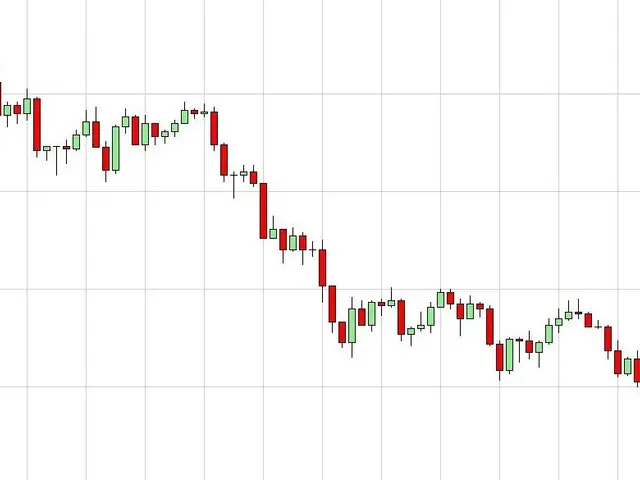
Beiersdorf AG's stock has plunged to an all-time low after the company issued a grim forecast for 2026. The shares now trade at around €78, a drop of over 40 percent from this year's peak of €134.45. Investors across Germany, Austria, and Switzerland have reacted with concern as the outlook fell well below expectations.
The sharp decline followed Beiersdorf's disappointing earnings guidance, released earlier this month. Analysts had anticipated stronger results, but the company warned of rising raw material costs and weak volume growth. These pressures are squeezing operational efficiency and pushing the operating EBIT margin slightly below last year's 14.0 percent.
Rising input costs and sluggish demand in emerging markets have added to the challenges. RBC responded by downgrading the stock from *Sector Perform* to *Underperform* on March 10, 2026. The bank also cut its price target from €100 to €70, citing struggles for the Nivea brand due to pricing pressures, fierce competition, and unpredictable consumer habits. Despite the sell-off, some signs suggest potential stabilization. The stock's relative strength index (RSI) points to oversold conditions, and insider purchases by BBG Holding signal confidence in the company's long-term value. Technical patterns, including an outside reversal formation, hint at possible support near €77. Even with short-term difficulties, Beiersdorf continues to produce strong free cash flow. This financial strength allows the firm to maintain dividends and fund share buybacks, offering some reassurance to shareholders.
The stock's steep decline reflects investor unease over Beiersdorf's near-term prospects. Major banks have lowered their price targets, adding to market uncertainty. Yet, the company's cash flow position and technical indicators may provide a buffer against further losses.