Austria's shrinking families spark debate over 1980s revival ad
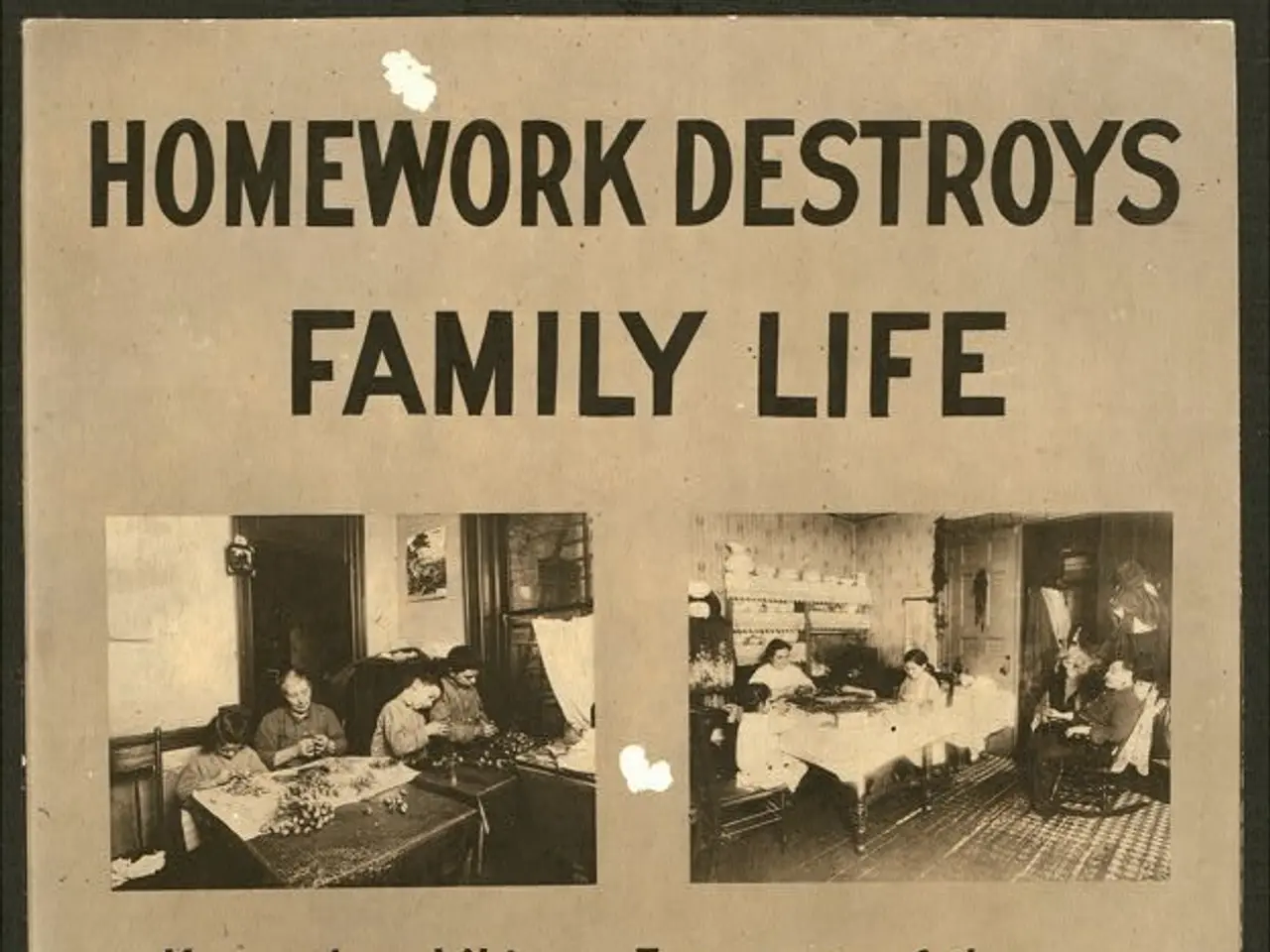
Austria's family landscape has changed dramatically since the 1980s. Back then, the average household held 2.5 people, but today it's just 2.2. Birth rates have fallen, life expectancy has risen, and the population is ageing—raising questions about how to support future generations.
Now, the government is considering reviving an old Bawag bank commercial from the 1980s to spark debate. The updated version would show a blended family with eleven children, a far cry from the traditional ideal once promoted.
In the 1980s, Austria's birth rate stood at around 1.7 children per woman. By 2024, it had dropped to 1.4. Life expectancy climbed from 74 for men and 80 for women to 80 and 85, respectively. Meanwhile, the share of over-65s grew from 14% to 20%, while net migration helped offset some of the decline.
The original Bawag commercial painted a picture of a perfect, middle-class family—something now seen as outdated. The proposed new version would feature a large, blended household, reflecting today's diverse family structures. A revised voiceover would also acknowledge economic pressures, from rising costs to job insecurity. Like many countries, Austria faces the challenge of low birth rates. Some nations have introduced unusual measures to boost reproduction. Ideas floated elsewhere include university-hosted 'conception parties', encouraging workplace relationships as a public service, and even 'single-bed taxes' for hotels. Each child, while straining the climate, also helps ease pressure on pension systems by supporting an ageing population.
The government's plan to air the updated commercial during the Eurovision Song Contest aims to highlight shifting family norms. With fewer children being born and an ageing society, the debate over incentives and support systems looks set to continue. The discussion now centres on how to balance economic realities with the needs of future generations.
Read also:
- India's Agriculture Minister Reviews Sector Progress Amid Heavy Rains, Crop Areas Up
- Sleep Maxxing Trends and Tips: New Zealanders Seek Better Rest
- Over 1.7M in Baden-Württemberg at Poverty Risk, Emmendingen's Housing Crisis Urgent
- Cyprus, Kuwait Strengthen Strategic Partnership with Upcoming Ministerial Meeting