Austria's ATX index tumbles 8.9% as Middle East tensions rattle markets
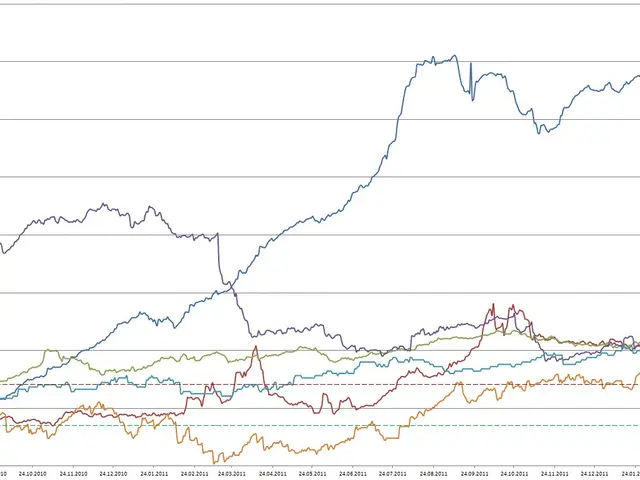
Austria's ATX index has faced a sharp decline since tensions in the Iran-Middle East conflict escalated a month ago. The index dropped by roughly 8.9%, hitting year-to-date lows near 5,194.82 points by late March. Meanwhile, analysts have adjusted their outlooks on key Austrian stocks, with mixed ratings and price target changes for companies like Frequentis, SBO, and Porr.
The ATX's fall has been driven by several factors. Investors fear prolonged high energy prices and inflationary pressures. Concerns over slowing economic growth and rising bond yields across Europe have added to the pressure. Market sentiment has swung between hopes of de-escalation and fears of further conflict, particularly after Trump's ultimatums and threats to Iranian energy infrastructure. While European exchanges attempted recoveries, geopolitical uncertainty and climbing oil prices continued to weigh on performance.
In stock updates, Berenberg Bank raised its price target for Frequentis shares from €70.00 to €89.00. The bank kept a 'buy' rating, citing expected growth from a strong renewal cycle and new projects. It also forecasted earnings per share (EPS) of €2.63 in 2025, €2.50 in 2026, and €2.98 in 2027. The new target suggests an upside potential of over 26%. For SBO, Berenberg increased its price target slightly, from €31.00 to €32.00. Meanwhile, Porr received mixed assessments. Warburg Research upgraded the stock from 'hold' to 'buy' after strong Q4 2025 results, maintaining a €43.00 target—a 27% upside. Erste Group, however, downgraded Porr from 'buy' to 'accumulate' but lifted its target to €39.50.
The ATX's decline reflects broader market jitters tied to geopolitical risks and economic pressures. Analysts remain divided on Austrian equities, with some seeing strong potential in Frequentis and Porr, while others adopt a more cautious stance. The coming months will likely depend on developments in the Middle East and their impact on global energy markets.