Crafting A Better Future for German Businesses: Economic Prospects and Challenges Ahead
Craftspeople Anticipate Moderately Improved Trade - Anticipating a slight uptick in industry sales, artisan enterprises prepare for improved commercial activity.
In a hopeful shift, craft businesses in Germany are gearing up for slightly improved trading conditions. This optimism stems from the Central Association of the German Craft Trade's business climate survey, as revealed by the German Press Agency. General Secretary Holger Schwannecke of the association explained, "The craft trade is sending positive signals with their business expectations for the first time in a long while."
This change in mood is largely due to expectations for the new coalition government. Schwannecke emphasized the necessity of administrative simplification, reliable energy prices, and investment-friendly framework conditions. "If these elements aren’t addressed promptly, the businesses' cautious optimism could soon dwindle," he cautioned.
The current business climate remains subpar, with craft businesses rating their situation negatively compared to a year ago. Declining sales, thin order books, and weak housing construction, private consumption, and exports have been major hurdles. However, the outlook for the future is relatively better, with craft businesses expecting a recovery by the end of 2025, setting their sights on a turnaround in the housing industry.
Administrative Simplification
- Simplifying administrative processes can ease bureaucratic burdens, allowing craft businesses to focus more on production and innovation, potentially boosting efficiency and competitiveness.
- The benefits can manifest in reduced operational costs, improved decision-making speed, and increased investment in new technologies and workforce development.
Reliable Energy Prices
- Stable energy prices are crucial for energy-intensive craft businesses. Reliable costs can enable better planning and reduce uncertainty, fostering investment opportunities.
- With more predictable energy costs, craft businesses may foster environmentally friendly practices and enhance their competitiveness.
Investment-Friendly Framework Conditions
- An inviting investment environment can attract capital into the craft sector, promoting new businesses and expansions.
- Greater capital inflows can lead to modernization and expansion of operations, attracting new talent and technologies into the sector.
The broader economic context plays a significant role. For example, recent data from the German Federal Statistical Office indicates a positively trending industrial production (3.0% increase in March 2025), suggesting a favorable environment for linked craft sectors. Moreover, the emphasis on circular economy practices can open new sustainable production opportunities for craft businesses.
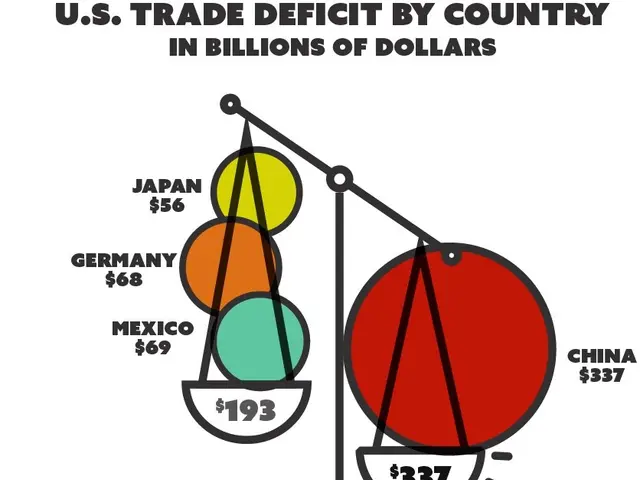
However, challenges remain. U.S. tariffs continue to pose a threat to the eurozone economy, including Germany, while global economic growth is expected to be modest in 2025. This moderate outlook may influence demand for craft products and the economic environment as a whole. Weighing these factors and navigating the new government's promises will be key to the craft trade's success in the coming years.
[1] German Business Climate Improves for First Time Since 2023: Central Association of the German Craft Trade (Handwerk)[2] German Federal Statistical Office (Destatis) - Industrial Production[3] International Monetary Fund (IMF) - World Economic Outlook[4] OECD - Trade in Services[5] Ellen MacArthur Foundation - The Circular Economy in Germany: Opportunities and Challenges
- To bolster the recovery and competitiveness of craft businesses in Germany, the new community policy ought to prioritize administrative simplification, reliable energy prices, and investment-friendly framework conditions, as these elements could promote vocational training and innovation, lower operational costs, and attract more capital to the sector.
- With a focus on vocational training, German craft businesses could invest in their workforce and ensure a steady supply of skilled professionals, enabling them to adapt to the changing market demands and capitalize on opportunities in the future business landscape, whether domestic or global.