Alcoa's stock tumbles as aluminum futures slump and margins shrink
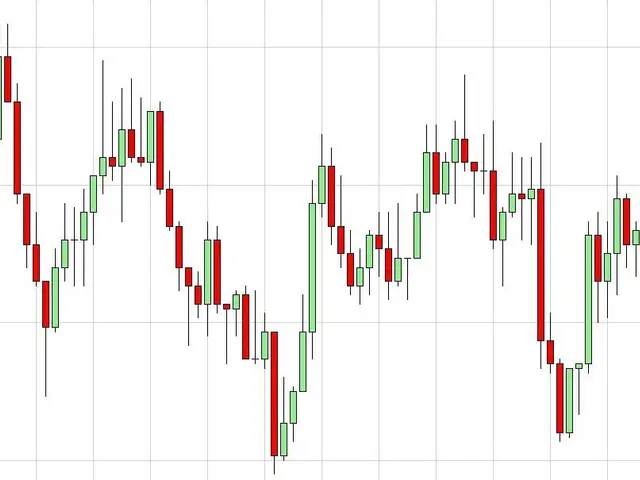
Alcoa's share price has dropped sharply, slipping below its 50-day moving average. The decline follows a broader selloff in aluminum futures, which has squeezed the company's profit margins. Despite this setback, analysts still see potential in the stock over the long term.
The recent fall in Alcoa's stock was sparked by a slump in aluminum futures. Prices had previously surged past $3,400 per tonne due to supply disruptions in the Near East, particularly around the Strait of Hormuz. However, forecasts now suggest a surplus of 250,000 tons by 2026, easing earlier supply concerns and pushing futures lower.
Rising energy costs and logistical challenges in Europe have added to Alcoa's struggles. Higher regional premiums and increased competition from producers like Aluminium Bahrain—who recently cut capacity by 19%—have further pressured the company's competitiveness. Meanwhile, Chinese recyclers continue to benefit from lower operational costs. On a strategic level, Alcoa has made moves to strengthen its position. The acquisition of Alumina Limited has vertically integrated its supply chain, securing key raw materials. Additionally, the company has sold off closed sites to data centre operators, capitalising on the growing demand for AI-driven infrastructure. These steps, combined with a solid balance sheet, have kept investor interest alive. Currently, Alcoa's shares trade at a forward earnings multiple of around 10x—a discount compared to both historical averages and industry peers. Analysts maintain a 'Moderate Buy' consensus, with an average price target suggesting roughly 15% upside over the next year.
Alcoa faces immediate pressure from falling aluminum prices and high European energy costs. Yet, its strategic acquisitions and strong financial footing provide a buffer against short-term volatility. The stock's discounted valuation continues to attract long-term investors, despite the recent downturn.