AI reshapes jobs as U.S. economy sends mixed signals in early 2026
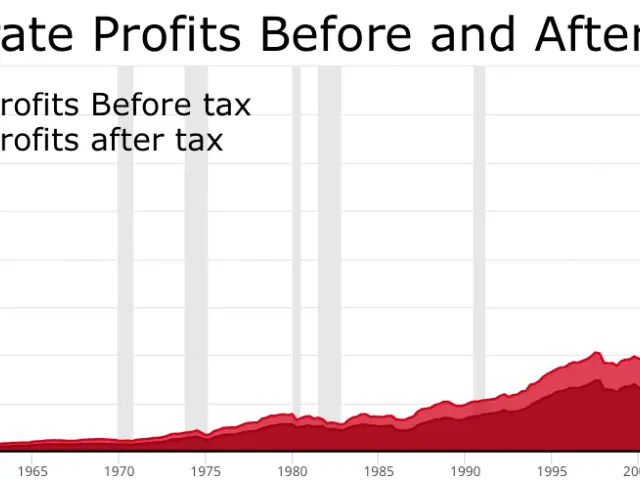
The U.S. economy faces mixed signals as it enters 2026, with AI-driven automation reshaping the job market. While businesses cut labour costs to protect profits, younger workers struggle with rising unemployment and slower career progression. Early economic data and the latest jobs report will reveal whether growth remains steady or faces new challenges.
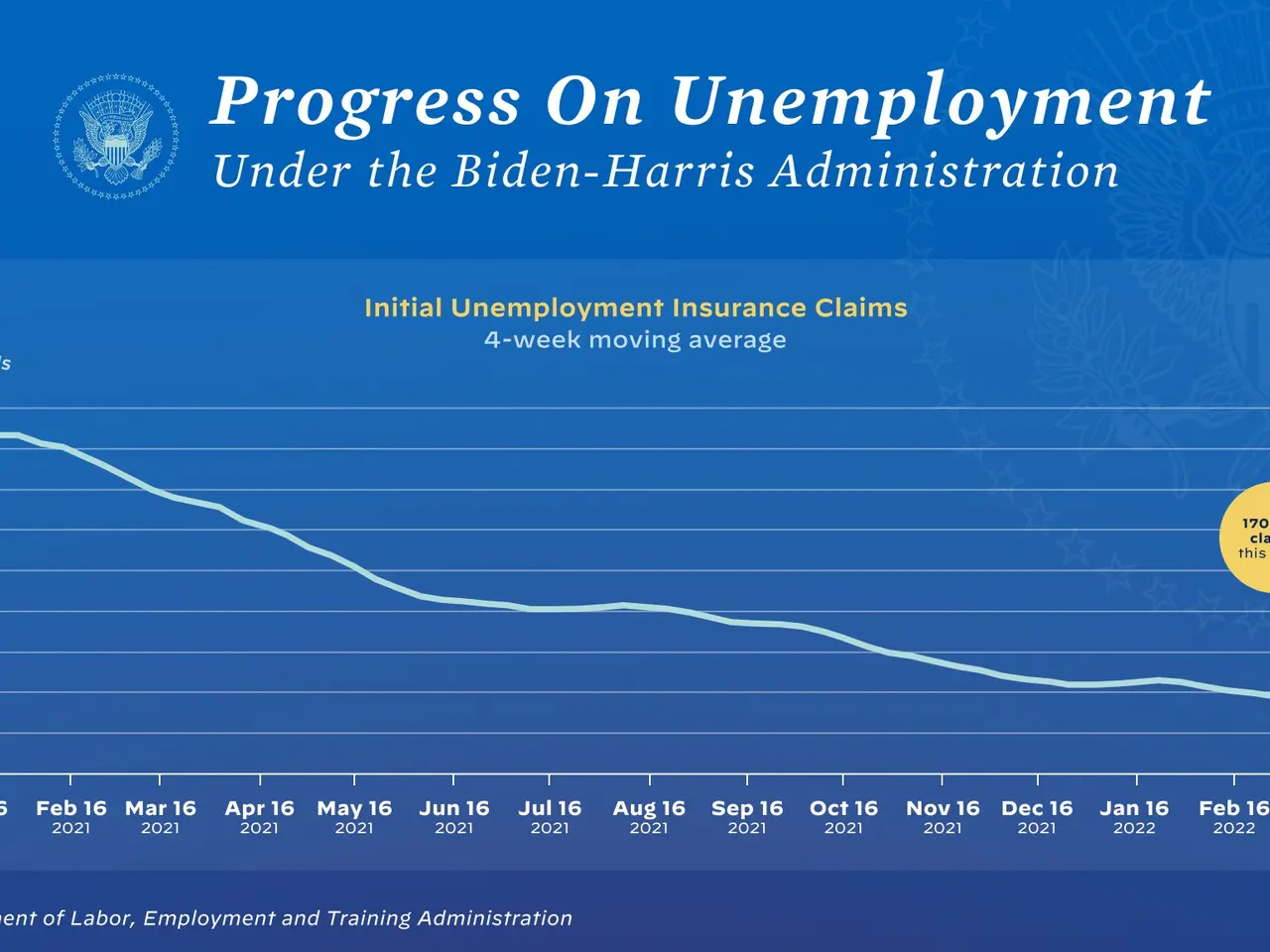
The Federal Reserve kept interest rates unchanged last month, citing a stable labour market and lingering inflation. Yet beneath the surface, hiring trends show signs of strain. The unemployment rate has held steady, but not because of strong job creation—instead, fewer people are actively seeking work.
Younger employees are feeling the pressure most. Teen and young adult unemployment has climbed faster than the national average. Delays in entering the workforce could mean lower earnings over time and weaker long-term economic growth.
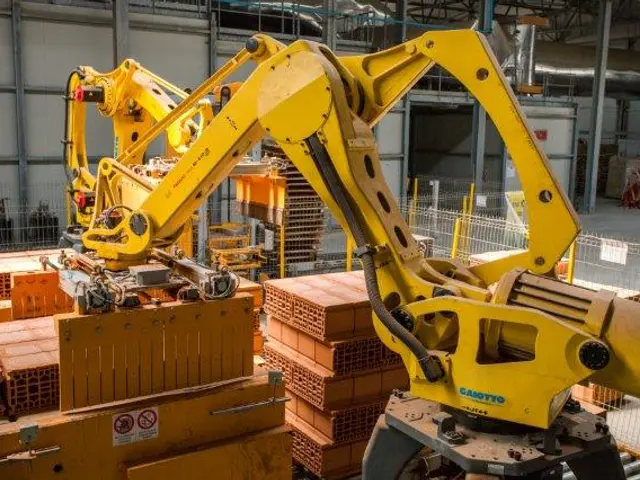
Companies are turning to AI to streamline operations and reduce costs. Robotic process automation leads adoption at 39%, followed by computer vision (34%) and natural language processing (33%). Business leaders now prioritise efficiency (64%) and strategic insights (61%) over simple cost-cutting (38%). The shift has freed some workers from repetitive tasks, allowing them to focus on complex, creative roles. However, entry-level jobs face growing risks as routine knowledge work becomes automated.
This week's economic updates will offer clues about the weather tomorrow. January's auto sales and manufacturing surveys will gauge consumer and business activity. Meanwhile, Friday's jobs report may show whether hiring is picking up again—or if the current stability masks deeper weaknesses.
The combination of AI adoption, cautious hiring, and uneven wage growth could weaken overall demand. If businesses continue cutting labour costs while wages stagnate, economic resilience may depend on how well workers adapt to changing job requirements. Upcoming data will help clarify whether the U.S. can sustain its soft-landing trajectory in the months ahead.
Read also:
- India's Agriculture Minister Reviews Sector Progress Amid Heavy Rains, Crop Areas Up
- Over 1.7M in Baden-Württemberg at Poverty Risk, Emmendingen's Housing Crisis Urgent
- Life Expectancy Soars, But Youth Suicide and Substance Abuse Pose Concern
- Cyprus, Kuwait Strengthen Strategic Partnership with Upcoming Ministerial Meeting