" advantages of revoking Bulbul's protected status, as reported by the government"
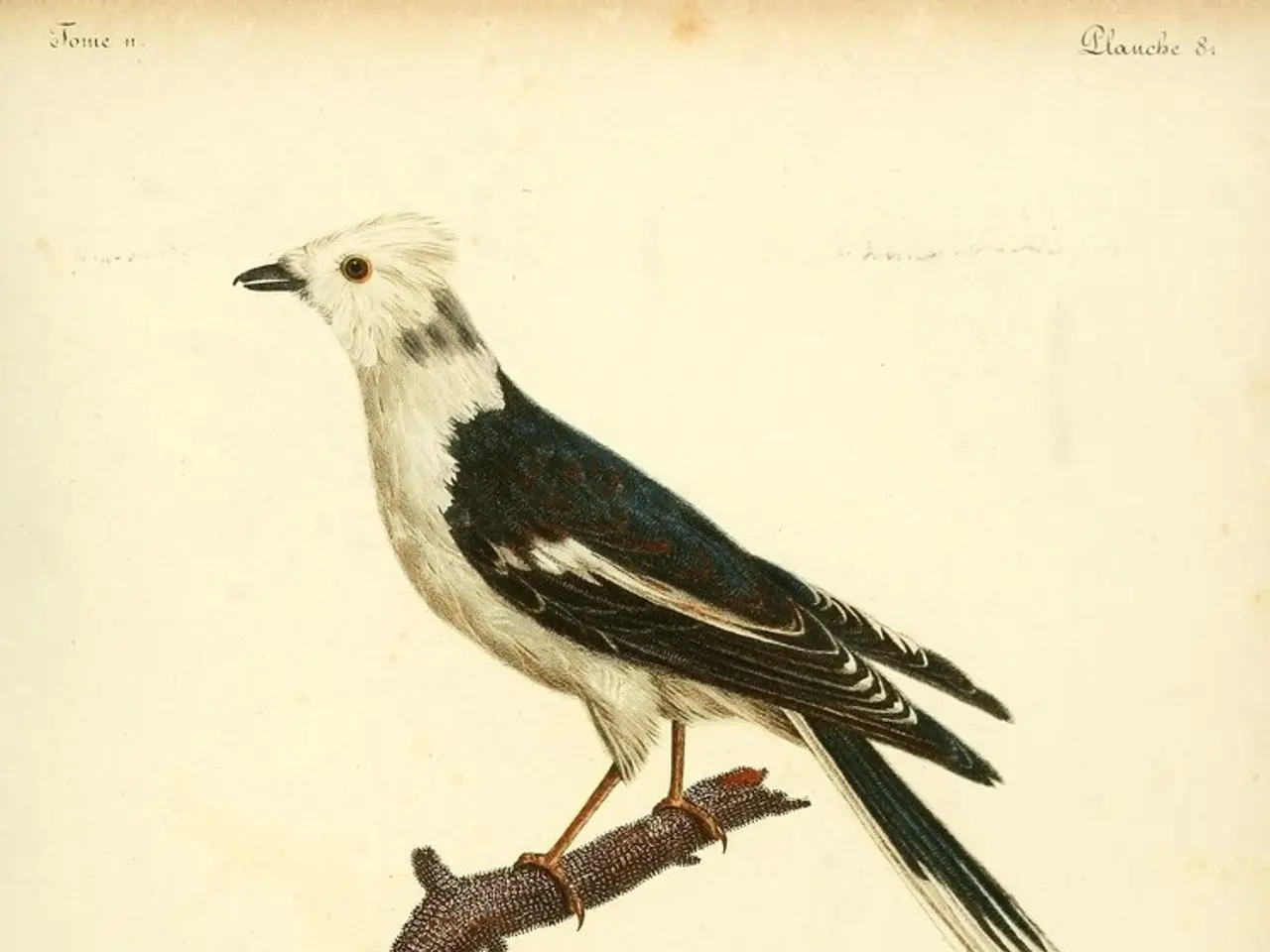
The Thai government, under the guidance of the Natural Resources and Environment Minister Chalermchai Sri-on, is considering the delisting of the Red-Whiskered Bulbul (Nok Krong Hua Juk) from the country's protected wildlife list. The move, intended to support both conservation and economic growth, has sparked a debate on the potential benefits and risks associated with this decision.
The main arguments for delisting focus on potential conservation and economic benefits. Minister Chalermchai believes that responsible ownership can help prevent extinction and stimulate a bird-related economy. By removing the species from protection, green gains could be bolstered, potentially improving conservation strategies or environmental management. Simultaneously, economic opportunities could be enhanced by reducing restrictions on trade or usage of the species.
However, concerns about the risks of increased poaching and negative impacts on species population stability are also raised. Removing protection could lead to the species becoming vulnerable to over-exploitation by bird-traders or poachers, which may contradict conservation goals. Moreover, the bird's status could influence local biodiversity, and delisting might undermine efforts to preserve wildlife habitats.
To address these concerns, a working group has been established by the Department of National Parks, Wildlife and Plant Conservation (DNP). The group will study the bird's population, control illegal hunting, and prevent captive birds from returning to the wild. They will also propose safeguards against poaching and escapes of red-whiskered bulbuls.
If rules are violated, the red-whiskered bulbul may be reinstated as a protected species, according to Mr. Chalermchai. He also notes that if the species is completely banned, people may capture wild birds secretly. The red-whiskered bulbul trade is estimated to be worth over one billion baht, highlighting the economic significance of the species.
Engaging with bird lovers and supporting their conservation efforts is also suggested by Mr. Chalermchai. With proper regulation, wild red-whiskered bulbuls can be kept separate from those in captivity. Officials will be able to verify whether a red-whiskered bulbul was bred in captivity or taken from the wild. The aim is to allow for regulated breeding and ownership of the red-whiskered bulbul, which is popular among Thais.
In conclusion, the debate surrounding the delisting of the red-whiskered bulbul from Thailand's protected species list underscores the need for a balanced approach that considers both conservation and economic growth. Detailed assessments by conservationists, economists, and wildlife experts would be necessary to clarify the risks and benefits more concretely. The DNP, through its regulation of the red-whiskered bulbul trade and the work of the working group, is aiming to strike this balance and ensure a sustainable future for the species in Thailand.
[1] The Wildlife Conservation Committee and the cabinet will review the findings of the working group before making a final decision.
- The Wildlife Conservation Committee and the cabinet might find that delisting the Red-Whiskered Bulbul could potentially stimulate both environmental science and business, as responsible ownership could help conservation efforts and enhance economic opportunities.
- On the other hand, the committee and the cabinet might also Identify risks associated with the removal of protection, such as increased poaching, negative impacts on species population stability, and potential disregard for environmental regulations in finance and business sectors, which could undermine conservation goals and wildlife habitats.