2025’s ‘hated rally’ defies sceptics as stock markets surge despite uncertainty
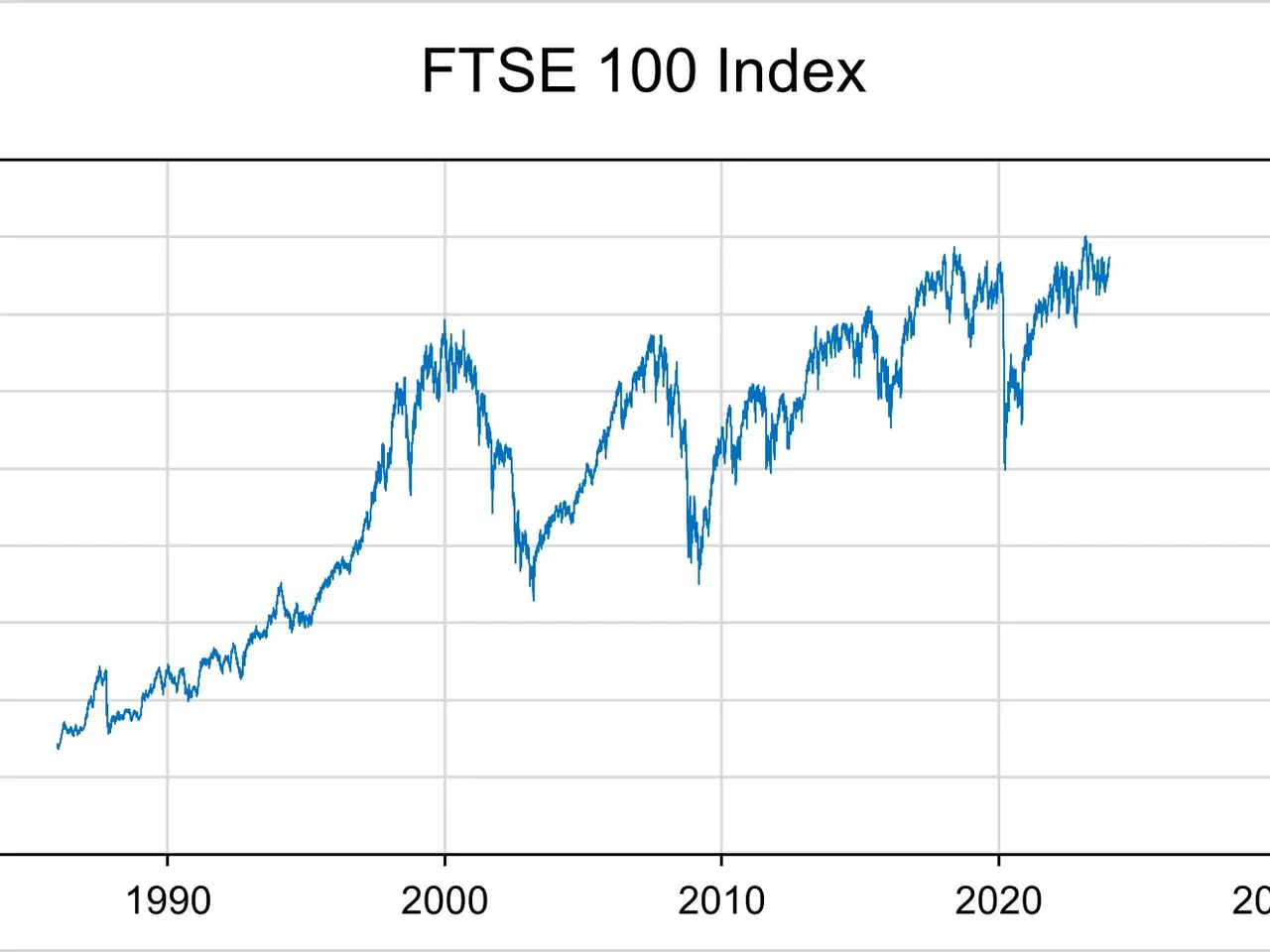
The stock market in 2025 has seen unusually strong returns, with major indices like the DAX, Euro Stoxx 50, and S&P 500 all posting significant gains. Yet many investors remain wary, as the rally has unfolded against a backdrop of economic uncertainty and geopolitical tensions. This so-called 'hated rally' has left some cautious, even as markets climb higher. The year began with the European Central Bank (EZB) cutting interest rates three times in quick succession. On 30 January, 6 March, and 17 April 2025, rates were each reduced by 0.25 percentage points in response to falling inflation and weak economic growth. After these adjustments, the bank held rates steady for the rest of the year, including in June, September, and December. Despite the rate cuts, no clear direct impact on stock performance was reported. Instead, broader factors shaped the market’s direction. Technological advances, particularly in artificial intelligence, played a key role, while political decisions—such as U.S. tariff announcements—triggered short-term rebounds. Similar patterns were seen in past events, like the market recovery after the 2016 Brexit vote. The 'wall of fear' effect also reappeared in 2025, where persistent negative sentiment clashed with rising share prices. Investors who expected downturns were caught off guard as indices continued to climb. Yet the underlying instability of the decade—dubbed the 'Roaring Twenties'—remained, with geopolitical conflicts and rapid innovation keeping markets on edge. Looking ahead, analysts warn of increased volatility in 2026. Sharp swings could follow as political shifts and economic changes create uncertainty. Diversification across different assets and regions is now widely recommended to balance risks and seize opportunities in an unpredictable climate. The 2025 market rally has defied expectations, delivering strong returns despite lingering scepticism. Central bank policies and AI developments will continue to shape future movements, while investors must prepare for potential turbulence. With volatility likely to rise in 2026, spreading investments across various sectors and regions remains a key strategy for managing risk.