1926's Pacifier War: How a Doctor's Ban Sparked Global Outrage
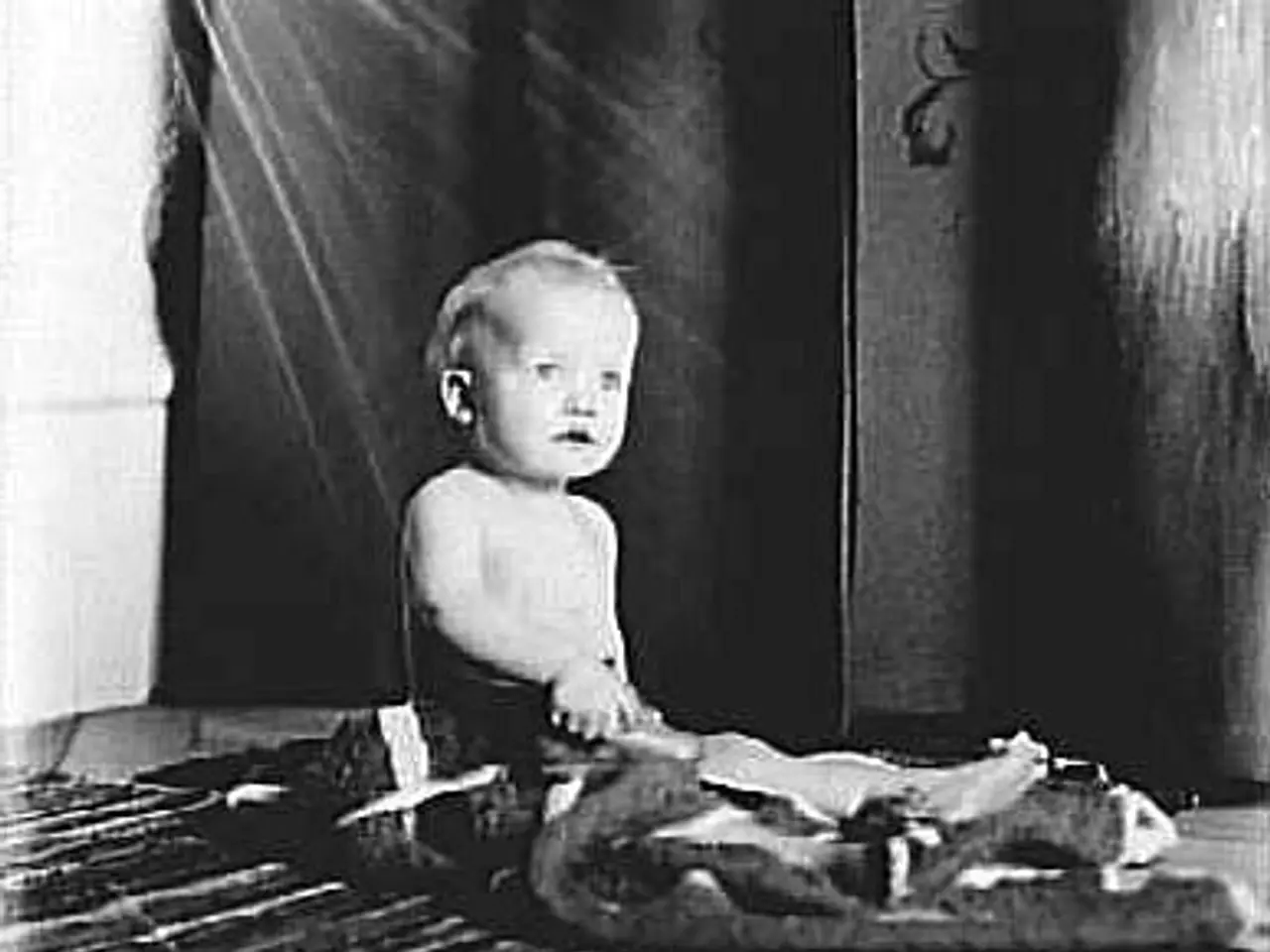
In 1926, a fierce debate erupted over the humble pacifier. Professor Pinard, a leading French pediatrician, launched a public campaign to ban the device, blaming it for rising infant deaths and poor hygiene. His bold call to destroy all existing stocks sparked outrage among parents and ridicule in newspapers, even as doctors backed his warnings. The pacifier's history stretches back to ancient times. Clay figurines were once given to babies to suck on, while medieval parents used them to wean children or feed small amounts of food. By the mid-19th century, so-called 'comfort suckers' became fashionable—but these often caused tooth decay and even drug dependence in infants.
Pinard's concerns focused on modern rubber pacifiers, which he called a major cause of infant mortality. He argued that mothers who wet the pacifier with their lips before giving it to their baby spread deadly diseases like tuberculosis and syphilis. Worse, he claimed, the device muffled cries that might signal a child's distress or illness. His campaign reached Vienna in March 1926, when the *Neue Freie Presse* published an article titled *'Checkmate to the Pacifier!'* The piece echoed Pinard's warnings, declaring the pacifier a public health menace. Dr. Karl Hochsinger, a local pediatrician, supported the claims, calling the device a breeding ground for bacteria. Yet at the Viennese Medical Congress, while doctors praised Pinard's hygiene arguments, parents and newspapers dismissed the campaign as meddling. Many saw it as an attack on tradition, with some mocking the idea of confiscating a baby's soother.
The backlash did little to slow Pinard's crusade. He insisted that banning pacifiers was essential to saving children's lives, even as resistance grew. The clash between medical authority and public habit left the debate unresolved—but it forced a reckoning over infant care practices that would linger for decades.
Read also:
- India's Agriculture Minister Reviews Sector Progress Amid Heavy Rains, Crop Areas Up
- Cyprus, Kuwait Strengthen Strategic Partnership with Upcoming Ministerial Meeting
- Inspired & Paddy Power Extend Virtual Sports Partnership for UK & Ireland Retail
- South West & South East England: Check & Object to Lorry Operator Licensing Now